
Choosing your first fountain pen depends on your writing pressure, daily paper quality, and maintenance preferences. For most beginners, a steel fine (F) or medium (M) nib pen that accepts standard cartridges or a converter offers the most reliable, low-maintenance entry point. By understanding how your writing habits interact with a pen’s design, you can avoid common pitfalls like ink smudging, hand fatigue, and paper tearing.
Diagnose Your Writing Habits and Needs
Before browsing online marketplaces or visiting a local stationery shop, analyze how and where you write. Your daily environment plays a significant role in how a pen performs. Taking quick notes during a fast-paced meeting requires a pen that can cap and uncap rapidly without drying out. Conversely, long journaling sessions at home allow for a slower, more deliberate writing experience where ergonomics and ink capacity take priority.
Your physical grip and writing pressure also dictate the type of pen you should buy. Many beginners are accustomed to ballpoint pens, which require heavy downward pressure. Fountain pens, however, rely on capillary action and require almost zero pressure to write. If you tend to grip your pen tightly and press firmly, you need a rigid steel nib that can withstand this force without bending.
Products mentioned in this guide
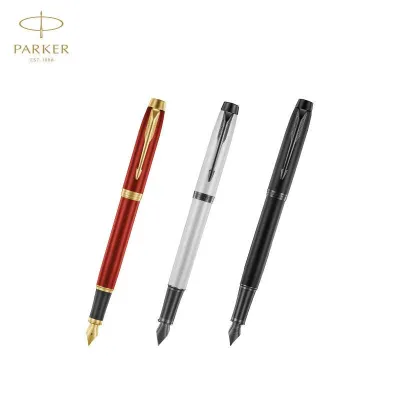
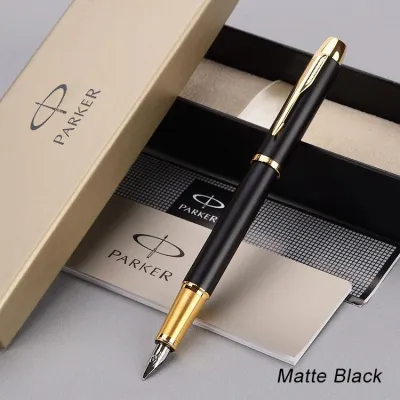
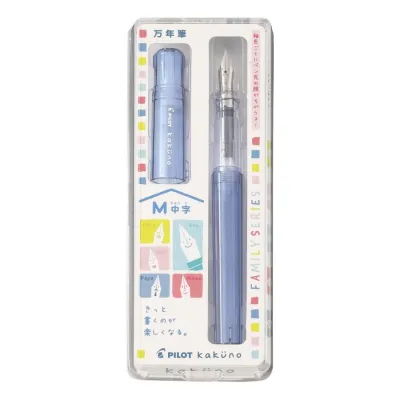
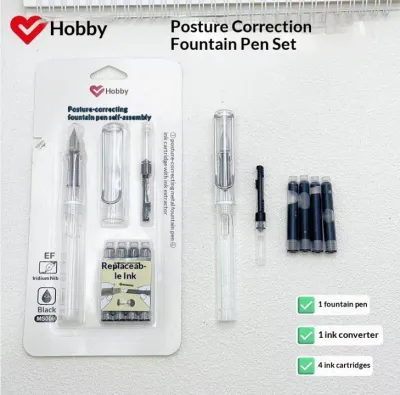
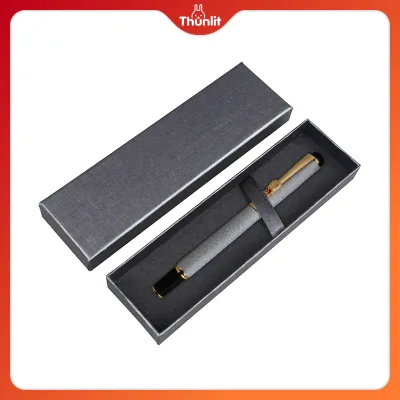
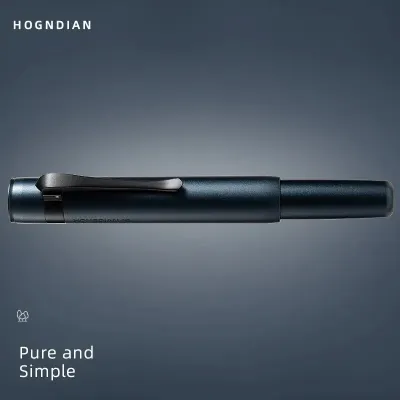
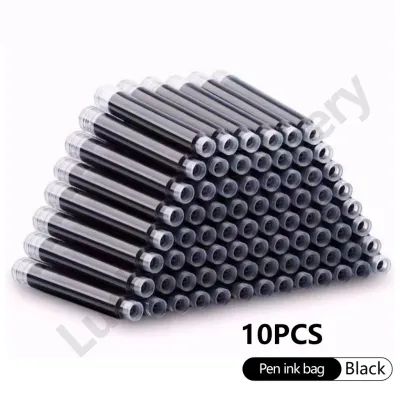
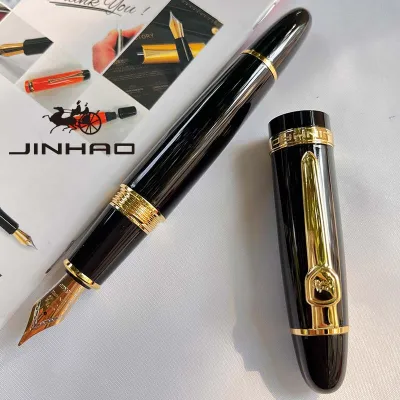
Prices are valid at publication and may change. Please refer to the product page for the latest price.
Portability is equally important if you plan to carry your pen outside. A pen tossed into a bag or carried in a shirt pocket during a humid commute must be leak-resistant. Screw-on caps provide a more secure seal against accidental uncapping and pressure changes than snap-on caps. If your pen will remain strictly on your desk, a snap-on cap is perfectly suitable and offers quicker access.
Finally, consider the paper you use. In tropical climates like the Philippines, standard paper fibers absorb moisture from the air, making them more prone to ink feathering and bleed-through. If you must write on cheap copy paper or school notebooks, you will need a pen that lays down a very thin, controlled line of ink. If you can use fountain-pen-friendly paper, you can comfortably explore broader nibs.
Match Your Needs to Fountain Pen Features
Once you have identified your writing habits, you can match them to specific fountain pen specifications. Understanding how nibs, filling systems, and body designs function will help you narrow down your options to a pen that feels natural in your hand.

Nib Size and Material
The nib is the heart of the fountain pen, and its size determines the width of your writing line. Extra-fine (EF) and fine (F) nibs are highly recommended for beginners who write in small print or use standard, non-specialized paper. These sizes restrict ink flow, which helps the ink dry faster and prevents it from bleeding through the page. Medium (M) and broad (B) nibs lay down a thicker, wetter line of ink, which showcases the shading and sheen of colorful inks but requires high-quality, coated paper to prevent feathering.
Nib materials generally fall into two categories: steel and gold. Steel nibs are rigid, highly durable, and economical, making them the practical choice for anyone learning how to control their writing pressure. Gold nibs are softer and offer a springy, cushioned feel that responds to subtle hand movements, but they are significantly more expensive and easily damaged by a heavy hand. For your first purchase, a steel nib provides a consistent, forgiving experience without the premium price tag.
If you are a heavy-handed writer, look specifically for stiff steel nibs. Avoid any nibs labeled as “soft,” “flex,” or “semi-flex,” as these are designed to spread apart under pressure to create line variation. Pressing too hard on a flexible nib can permanently bend the metal, a damage known as a “sprung nib,” which stops the ink from flowing entirely.
Ink Filling Systems
Fountain pens use several methods to draw and store ink, each offering a different balance of convenience and capacity. The most beginner-friendly option is the cartridge and converter system. Cartridges are small, sealed plastic tubes pre-filled with ink that you simply push into the pen’s section. They are highly portable, mess-free, and easy to swap out during a busy day.
A converter is a reusable cartridge with a small screw or plunger mechanism that allows you to draw ink directly from a bottle. This system gives you the flexibility to use hundreds of different bottled ink colors while maintaining the ease of cleaning associated with cartridges. If you want to switch ink colors frequently, the cartridge-converter system is the easiest to flush and clean with room-temperature water.
Integrated filling systems, such as piston or vacuum fillers, use the entire body of the pen as an ink reservoir. These systems hold significantly more ink than cartridges, making them excellent for students or professionals who write pages of text daily. However, they are more complex to clean, require more maintenance to keep the internal seals lubricated, and make switching ink colors a longer process. For a first pen, starting with a cartridge-converter system allows you to learn basic maintenance before moving on to more complex mechanisms.
Pen Body Weight and Grip Section
The physical design of the pen body directly impacts your comfort during long writing sessions. Lightweight resin, acrylic, or plastic pens are highly recommended for beginners. They put minimal strain on your hand muscles, allowing you to practice your writing posture without fatigue. Heavier metal pens, often made of brass, copper, or aluminum, offer a premium, substantial feel, but the extra weight can cause hand cramping if you have not yet learned to write with a relaxed grip.
The shape of the grip section is another critical ergonomic factor. Some pens feature triangular grip sections designed to force your fingers into a traditional tripod grip. This is incredibly helpful for beginners who need to correct a non-standard grip or learn how to keep the nib properly oriented. Other pens feature classic round grip sections, which allow for more flexibility in how you hold the pen but require more conscious effort to keep the nib flat against the paper.
Before finalizing your choice, consider how the pen balances when the cap is “posted” (pushed onto the back of the barrel while writing). Some pens become back-heavy and unbalanced when posted, which pulls the nib away from the paper and strains your wrist. If you prefer a longer, heavier pen, look for models designed to balance well when posted; if you prefer a lighter feel, you may find it more comfortable to write with the cap set aside on your desk.
Your First Purchase Action Plan
When you are ready to make your first purchase, allocate your budget wisely. Focus your funds on a pen known for its reliable nib quality and consistent ink flow rather than decorative barrel designs or premium brand names. A simple, well-engineered plastic pen with a high-quality steel nib will provide a far better writing experience than an expensive, heavy metal pen with a scratchy, poorly tuned nib.
If you are buying online, read customer reviews specifically focusing on out-of-the-box reliability. Verify the seller’s return and exchange policies, especially regarding the nib. Some reputable retailers offer nib exchange programs or will inspect and tune the nib before shipping to ensure it writes smoothly from day one.
To verify the smoothness, bleed resistance, and drying speed of your specific pen and ink combination, perform a quick test on your everyday paper. Draw a series of rapid figure-eights to check for ink skipping, and write a few lines to observe if the ink feathers or bleeds through the page. If the ink remains wet on the surface for more than ten seconds, you may need to adjust your paper choice, switch to a finer nib, or select a drier ink formulation.
When your new pen arrives, do not immediately fill it with ink. It is common for new pens to have microscopic traces of manufacturing oils or dust left in the feed, which can cause the ink to skip or stop flowing. Before your first use, flush the pen by drawing room-temperature water mixed with a single drop of mild dish soap through the feed, followed by a thorough rinse with clean water. Let the pen dry, insert your cartridge or fill it from an ink bottle, and let it sit vertically with the nib pointing down for a few minutes to allow the ink to fully saturate the feed.
Frequently Asked Questions (FAQ)
Do I need an expensive fountain pen to start?
No, you do not need to spend a large amount of money to experience the joy of writing with a fountain pen. Excellent, highly reliable entry-level pens are available for under ₱1,000, and many outstanding options cost even less. Higher-priced pens often feature premium materials like gold nibs, rare resins, or intricate hand-painted designs, but these features do not guarantee a smoother or more reliable writing experience for a beginner. A budget-friendly steel-nib pen is the perfect tool to help you learn proper writing pressure and maintenance habits without the fear of damaging an expensive heirloom.
Why is my new fountain pen skipping or scratching?
If your new pen is skipping or feels scratchy, it is usually due to a simple, easily correctable issue rather than a permanent defect. First, ensure you have thoroughly flushed the pen with water to remove any residual manufacturing oils that might be blocking the ink flow. Second, check your writing angle; fountain pens must be held so that both metal tines of the nib touch the paper evenly. If you tilt the pen to one side, the ink flow will cut off, resulting in a scratchy sensation. Finally, evaluate your paper and ink combination, as dry inks on highly absorbent paper can cause friction and skipping. If the issue persists after flushing and adjusting your grip, the nib tines may be slightly misaligned, which can be resolved by a professional or through a warranty exchange.

Community discussion
Share your experience or ask a question. Comments are reviewed before publication.