
Finding the right Jinhao fountain pen depends on matching your hand size, writing environment, and paper choice to the pen’s physical build and nib size. Because Jinhao offers a vast range of designs—from lightweight acrylic pocket pens to heavy brass desk instruments—identifying your primary writing scenario is the first step to a satisfying experience. By understanding how different materials, nib configurations, and filling systems interact, you can select a reliable writing tool that fits your daily routine.
Quick Guide to Choosing Your Jinhao Fountain Pen
To find your ideal match, start by defining your primary writing environment and use case. A pen meant for rapid, daily note-taking in a humid tropical climate requires a different setup than one reserved for formal document signing at a dry office desk. High humidity can slow down ink drying times, meaning a setup that lays down a wet, heavy line might lead to accidental smudges during quick writing sessions.
Next, consider your physical comfort by evaluating the pen’s weight and grip diameter. Writers with smaller hands or those who write for hours often prefer a slender, lightweight grip to prevent cramping, while those with larger hands may find a thicker, heavier barrel offers better control and reduces grip tension. The physical balance of the pen when writing is just as critical as its static weight.
Products mentioned in this guide
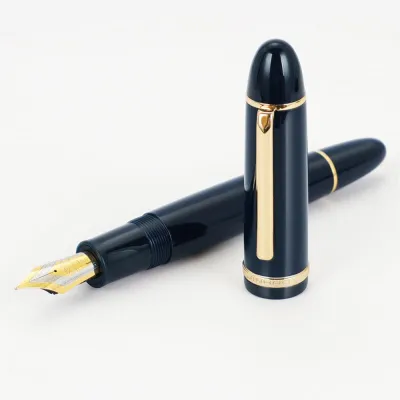
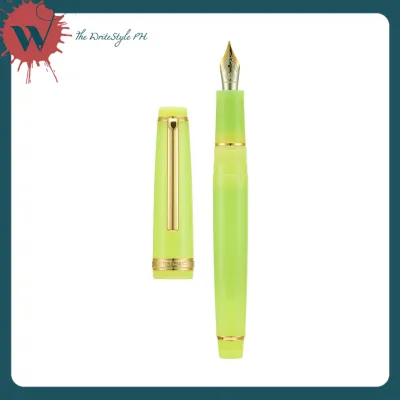
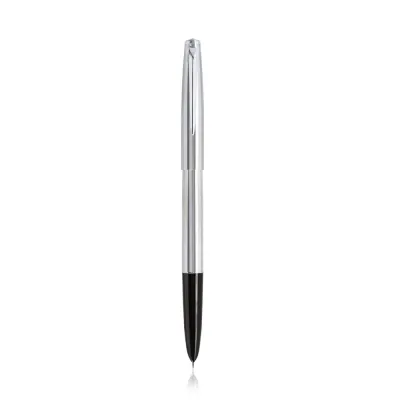
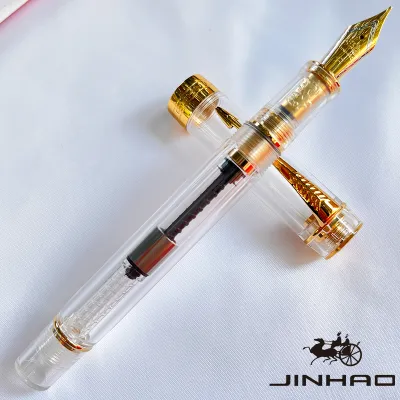
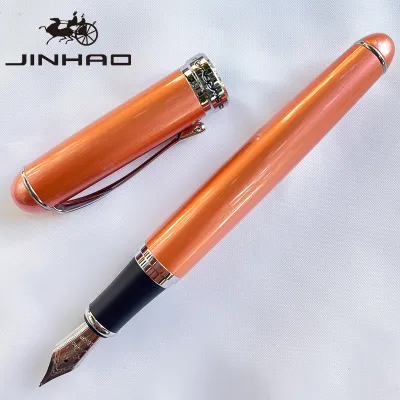
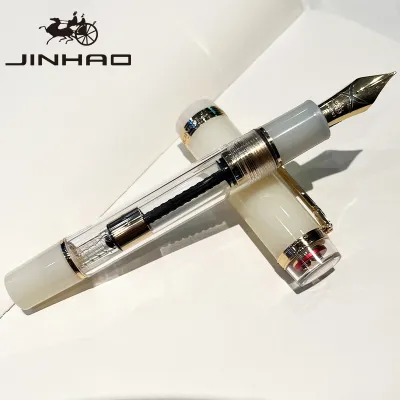
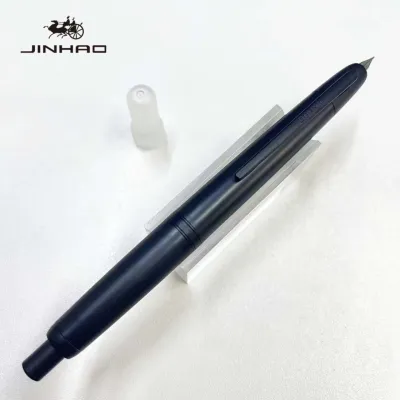

Prices are valid at publication and may change. Please refer to the product page for the latest price.
Finally, select a nib width that complements your handwriting size and the paper you use most often. Fine or extra-fine nibs perform best on standard, highly absorbent school or office paper, as they limit the amount of ink deposited onto the page. Conversely, medium or broad nibs allow inks to show off their shading and sheen, but they require premium, fountain-pen-friendly sheets to prevent feathering.
Decoding Jinhao Nib Sizes and Writing Feedback
Jinhao pens typically utilize standard #5 or #6 nib units, which directly affect both the physical size of the pen and the line width it produces. The smaller #5 nib is common on slimmer, highly portable models, offering a slightly stiffer feel that is excellent for precise, controlled writing in tight spaces. The larger #6 nib provides a more expressive, slightly springy feel and a wider ink flow, making it a favorite for expressive handwriting, signatures, and creative journaling.

Whether a nib feels smooth or scratchy depends on the exact combination of the tipping material, the alignment of the tines, and the paper surface. A well-polished steel nib provides a smooth, glassy sensation on the page, while some nibs are tuned to offer a touch of tactile feedback, similar to writing with a sharp pencil. It is important to note that steel nibs do not offer significant line variation under pressure; attempting to flex them can permanently damage the tines.
Because ink flow and paper interaction vary wildly, you should test your pen on your everyday paper stocks before committing to long writing sessions. Highly absorbent paper can cause ink to feather or bleed through to the back of the page, ruining double-sided notes. If you observe feathering during your trial, switching to a drier ink formula or a finer nib size will help maintain clean, legible lines.
Evaluating Pen Body Materials, Weight, and Balance
The material of the pen body dictates its overall weight and how long you can comfortably write without fatigue. Lightweight resin or acrylic bodies are ideal for long study sessions or extensive journaling, as they place minimal strain on your hand muscles. Conversely, heavier metal or wood bodies provide a reassuring heft and stability, making them excellent choices for short, deliberate tasks like signing documents or writing brief correspondence.
Pay close attention to the grip section’s diameter, texture, and shape. A smooth metal grip can feel slippery in warm, humid environments, whereas textured resin or contoured triangular grips offer a more secure hold for fingers prone to sweating. The transition from the grip section to the barrel should also be smooth, without sharp threads that might irritate your fingers during long writing sessions.
Balance is also heavily influenced by whether you write with the cap posted (pushed onto the back of the pen) or unposted. Posting a heavy metal cap can make the pen back-heavy, pulling the nib away from the paper and straining your wrist over time. Testing both configurations helps you find the natural center of gravity that matches your writing style and hand size.
Filling Mechanisms: Cartridges, Converters, and Maintenance
Most Jinhao fountain pens utilize standard international cartridges or converters, offering excellent flexibility for different lifestyles. Standard international cartridges are highly convenient for students and professionals on the go, allowing you to swap out empty ink supplies quickly without any mess. These cartridges are widely available in various ink colors and are easy to carry in a pencil case or bag.
For those who prefer the vast color selection of bottled inks, the included piston converter is the ideal tool. Operating the converter requires a simple twist mechanism to draw ink up through the nib, but it also necessitates regular maintenance to keep the ink channels clear. Using bottled ink is often more economical over time and allows you to experiment with water-resistant or fast-drying formulas.
To prevent ink from clogging the feed system, establish a simple, reversible cleaning routine every few weeks or whenever you change ink colors. Flush the nib and feed with room-temperature water using your converter or a bulb syringe until the water runs completely clear. Avoid using hot water, rubbing alcohol, or harsh solvents, as these can warp the plastic feed or damage the internal seals of the pen.
Matching Jinhao Pen Profiles to Specific Use Cases
Everyday Carry and Pocket Pens If you need a pen that travels easily in a pocket, bag, or planner loop, look for compact dimensions and secure capping mechanisms. Lightweight acrylic or aluminum builds with screw-on caps prevent accidental leaks and ensure the pen is always ready for quick notes on the move. These pens should be durable enough to withstand daily bumps and scratches without losing their structural integrity.
Desk Pens and Large Signatures For formal desk use or signing important documents, prioritize oversized barrels and heavier builds. A larger pen body with a broader #6 medium or broad nib provides the physical presence and smooth ink flow necessary for bold, confident signatures. These pens often look elegant on a desk stand and are designed for comfortable, unposted writing.
Beginner and Practice Pens If you are new to fountain pens or want to practice tuning nibs, select models with standard sizing and highly affordable replacement parts. A forgiving medium steel nib on a classic resin body allows you to develop proper writing pressure and angle without a steep learning curve. These models provide an excellent entry point for understanding fountain pen mechanics.
Rather than searching for a single perfect model number, focus on verifying these physical traits and specifications on online retailer pages, as product availability and exact dimensions can vary over time.
Purchasing Tips and Pre-Checkout Verification
Before finalizing your purchase on any e-commerce platform, carefully inspect the product photos and seller descriptions. Look closely at the nib alignment and tine spacing in close-up images, and verify which accessories—such as a converter or ink cartridges—are included in the package. Reading customer reviews can also provide valuable insights into the seller’s packaging quality and shipping reliability.
Be sure to compare the total cost of your order across different online retailers, taking into account shipping fees in ₱ to ensure you are getting the best overall value. Shipping fees can vary significantly depending on your location, so consolidating your purchases from a single reputable seller can help minimize these extra costs.
Finally, review the seller’s return and exchange policies, particularly regarding fountain pens that have already been filled with ink. Some retailers only accept returns if the pen remains uninked, so it is wise to dry-test the nib’s physical alignment and dip-test it in water or erasable ink before filling the converter completely for the first time.
Frequently Asked Questions (FAQ)
Can I replace a Jinhao nib with a third-party brand?
Yes, many Jinhao models that use standard #5 or #6 nib units can be customized with third-party nibs of the same size. However, you must carefully check the specific feed and collar dimensions of your pen before attempting a swap, as minor variations in thickness can prevent a proper fit or disrupt ink flow. Always perform the swap gently to avoid cracking the housing.
Why is my new Jinhao fountain pen skipping or not writing?
New pens often retain microscopic manufacturing oils or dust in the feed, which can block ink flow. Flushing the pen with water mixed with a tiny drop of dish soap, followed by a clean water rinse, usually resolves this issue. Additionally, use a magnifying glass to check for tiny paper fibers or debris caught between the nib tines, and ensure the converter is fully pushed into the section and primed to push ink into the feed.

Community discussion
Share your experience or ask a question. Comments are reviewed before publication.