
Quick Answer: Matching the Right Kuru Toga to Your Habits
Finding the perfect mechanical pencil is not about searching for a single, universally superior model. The ideal Kuru Toga for your desk depends entirely on your writing speed, how hard you press against the paper, and your preference for grip texture and weight.
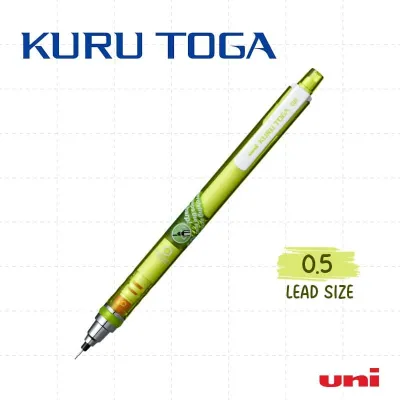
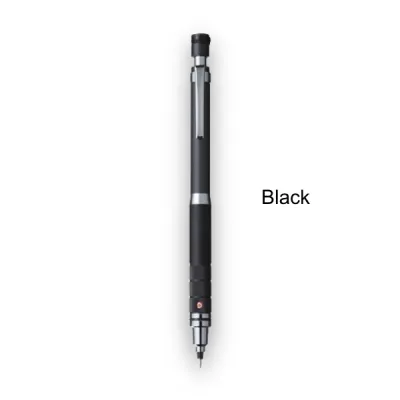
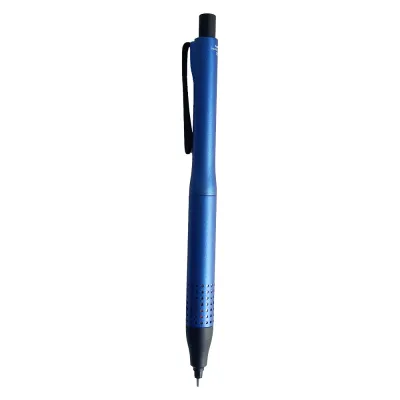
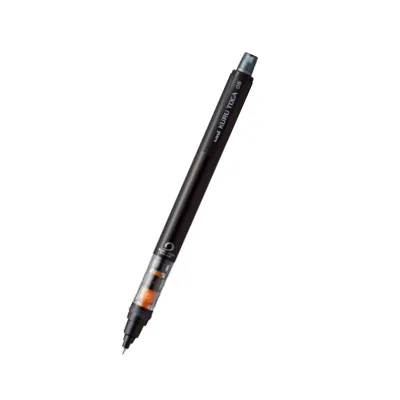
For casual writing or moderate-paced study sessions, the budget-friendly Standard model provides a reliable, lightweight experience. If you write quickly, use soft lead, or frequently struggle with lead breakage, the Advance model features a double-speed rotation engine and a protective sleeve to keep your lines sharp and unbroken. Writers who prefer a weighted, premium feel or struggle with slippery fingers in warm weather will benefit from the textured, low center of gravity offered by the Roulette. Meanwhile, the Pipe Slide is specifically engineered for detailed technical work, small handwriting, and pocket-safe carrying.
By understanding how these models differ in their internal mechanics and physical designs, you can easily identify which variation will best support your daily writing habits.
Products mentioned in this guide

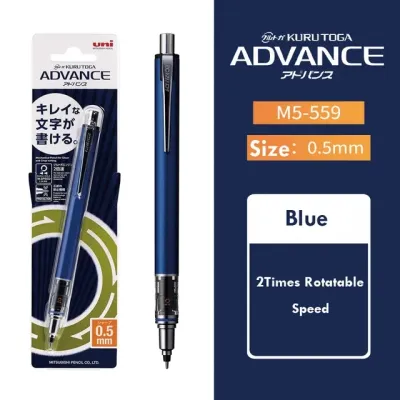
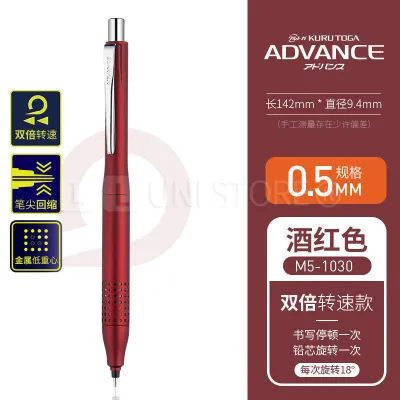
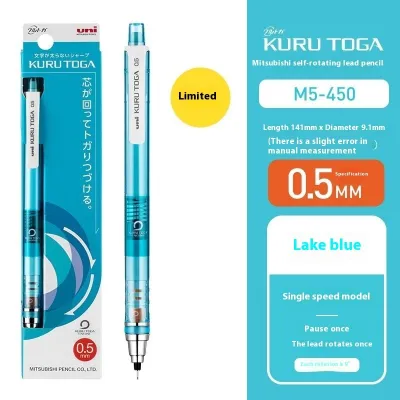
Prices are valid at publication and may change. Please refer to the product page for the latest price.
Core Differences: Rotation Speed, Grip, and Pipe Design
The magic behind the Kuru Toga series lies in its patented internal engine. Unlike traditional mechanical pencils that wear down on one side to create a scratchy, wedge-shaped tip, this line uses a spring-loaded clutch that rotates the lead slightly every time you lift the pencil from the page. This continuous rotation maintains a clean, conical point for consistent line widths. However, the exact way this mechanism behaves—and the body that houses it—varies significantly across the lineup.

Standard vs. Advance: Rotation Speed and Lead Breakage
The most significant mechanical evolution within the family is the transition from the original engine to the upgraded “W-Speed” engine. The Standard model utilizes the classic rotation engine, which rotates the lead by 9 degrees with every stroke. This means it requires 40 individual lifts from the paper to complete one full 360-degree rotation of the lead. This pace is highly effective for deliberate, moderate writing styles, such as drafting notes at a relaxed speed or working through mathematical equations.
In contrast, the Advance model features the double-speed engine, which rotates the lead by 18 degrees per stroke. This allows the pencil to complete a full rotation in just 20 strokes. By spinning the lead twice as fast, the Advance keeps the tip significantly sharper even during rapid writing sessions. This fast rotation is highly advantageous for individuals with very small handwriting, those who write quickly, or students rushing to complete essay exams.
Additionally, the Advance model addresses the common issue of lead breakage. It features a sliding lead sleeve that retracts as you write, keeping the exposed lead fully supported. This is a major benefit for heavy-handed writers who apply significant downward pressure. However, there is a physical limitation to keep in mind: if you write with an exceptionally light touch or use continuous, unbroken cursive strokes without lifting the pencil, you may not generate enough downward force to activate the rotation engine. For these writing styles, the faster engine of the Advance offers little advantage over the Standard model.
Roulette vs. Metallic Models: Grip Texture and Weight Balance
Beyond the internal gears, the physical construction of the pencil body plays a massive role in ergonomic comfort. The entry-level Standard and Advance models are constructed primarily from lightweight plastic. While this makes them highly portable and affordable, some users find that plastic barrels feel top-heavy or lack sufficient grip during long writing sessions.
To address this, the Roulette model incorporates a premium knurled metal grip. In the tropical, high-humidity climate of the Philippines, plastic stationery can easily become slippery due to hand sweat during long study sessions or professional exams. The textured cross-hatch pattern of the Roulette’s knurled grip provides excellent traction, preventing your fingers from sliding down toward the tip. This allows you to maintain a relaxed grip without constantly readjusting your hand.
The metal components used in the Roulette and other premium variants, such as the High Grade or the Advance Upgrade, also alter the pencil’s weight distribution. By placing heavier materials at the front, these models lower the center of gravity. This “nose-heavy” balance makes the pencil feel incredibly stable, allowing the weight of the tool to do the work rather than requiring you to press down hard. However, if you prefer an ultra-light pencil for rapid, effortless note-taking, a full-metal upgrade might feel slightly too heavy over hours of continuous use.
Pipe Slide: Sliding Sleeve for Precision and Visibility
The Pipe Slide model is designed with a focus on tip protection and line-of-sight precision. Unlike the fixed metal sleeves found on the Standard and Roulette models, the Pipe Slide features a guide pipe that completely retracts into the plastic nose cone when the pencil is not in use. When you begin writing, the sleeve slides out alongside the lead, offering continuous structural support directly to the tip.
This sliding sleeve design is ideal for technical sketching, detailed graphing, or writing in incredibly tight margins. Because the metal pipe slides back smoothly as the lead wears down, you rarely have to click the cap to extend more lead. This minimizes interruptions and keeps the lead protected from sudden lateral snaps, even when writing on uneven surfaces.
However, this mechanical convenience comes with a specific trade-off. The sliding mechanism relies on a relatively upright writing angle—ideally between 60 and 90 degrees relative to the paper—to retract smoothly. If you hold your pencil at a very low, slanted angle, the edge of the metal sleeve may drag or catch on the paper fibers. This can create a scratchy sensation and uneven line quality, making the Pipe Slide less suitable for those with highly slanted writing grips.
Kuru Toga Model Comparison at a Glance
To help you quickly compare the primary options, the table below outlines the key physical and mechanical differences across the core Kuru Toga lineup.
| Model | Best For | Grip Material | Key Feature | Relative Price Tier |
|---|---|---|---|---|
| Standard | Casual writing & budget-conscious users | Smooth plastic | Original 9-degree engine | Entry-level |
| Advance | Fast writers & heavy-handed note-takers | Smooth plastic | W-Speed engine & sliding sleeve | Mid-range |
| Roulette | Long writing sessions & premium feel | Knurled metal | Low center of gravity | Premium |
| Pipe Slide | Technical drawing & pocket-safe carrying | Smooth plastic | Fully retractable guide pipe | Mid-range |
| Advance Upgrade | Professional environments & fast writing | Sleek punched metal | W-Speed engine & metal body | Premium |
Note: Retail prices and stock availability fluctuate based on shipping, imports, and local demand. To find the most accurate pricing, please verify current listings on the manufacturer’s official website or through authorized local e-commerce platforms in the Philippines.
Decision Framework: Choose Your Kuru Toga Based on Daily Use
To simplify your purchasing decision, look at your daily routine, writing environment, and personal habits. You can map your needs directly to the ideal model using the profiles below.
- Choose the Standard if: You are a student or casual writer looking for a reliable daily tool on a budget. If you write at a moderate pace, do not suffer from hand sweat, and prefer a lightweight pencil that won't weigh down your pencil case, the entry-level Standard model offers excellent value without unnecessary complexity.
- Choose the Advance if: You write quickly, tend to press down hard, or frequently experience annoying lead breakage. The double-speed engine ensures your lines stay crisp even during rapid note-taking, while the sliding sleeve shields the lead from high-pressure snaps.
- Choose the Roulette or High Grade if: You spend hours writing, struggle with slippery plastic barrels in humid weather, or appreciate a solid, professional aesthetic. The knurled metal grip and low center of gravity provide superior control and comfort, making it a favorite for board exam preparation and long office shifts.
- Choose the Pipe Slide if: You need a pocket-safe pencil that won't poke holes in your shirt or bag, or if you perform highly detailed work like technical drawing and writing in tiny grid notebooks. The fully retractable sleeve ensures the delicate metal tip is protected when stored.
Before finalizing your choice, verify the lead specifications you intend to use. The Kuru Toga engine relies on the physical friction between the lead and the paper to rotate. If you plan to use highly specialized leads, such as colored wax-based leads or extremely soft polymer blends, the rotation mechanism may not perform as consistently as it does with standard graphite.
Because hand size and grip pressure are deeply personal, testing the physical thickness and weight of these models in a local stationery store before purchasing online is highly recommended. Holding the pencil in your hand is the most reliable way to ensure the grip diameter and weight balance feel natural to you.
Lead Compatibility and Maintenance for Longevity
To keep the complex internal gears of your Kuru Toga functioning smoothly for years, proper lead selection and regular maintenance are essential. The rotation engine is highly optimized for standard graphite leads, specifically in the HB and B hardness ranges. These grades offer the ideal balance of friction and structural integrity, wearing down at a predictable rate that matches the engine’s rotation steps.
Using exceptionally hard leads, such as H or 2H, can hinder the pencil’s performance. Because these leads are highly resistant to wear, they do not shape into a conical point easily and can cause the pencil to slip or scratch the paper. Conversely, very soft leads, such as 2B, 3B, or 4B, wear down incredibly fast. This rapid wear can outpace the rotation speed of the engine during long, unbroken strokes, resulting in a temporary flat spot. Soft leads also produce a higher volume of loose graphite dust, which can migrate into the internal clutch over time.
To maintain your pencil’s longevity, protect it from physical impacts. Dropping a mechanical pencil onto a hard tile or concrete floor is the leading cause of internal damage. Because the Kuru Toga relies on a delicate spring-loaded clutch and interlocking plastic gears, a hard drop can easily misalign these components, resulting in a permanent jam or a complete failure of the rotation mechanism.
If your pencil stops rotating or fails to advance lead, perform a gentle troubleshooting check. First, refer to the manufacturer’s official instructions for clearing jams. You can often clear loose graphite dust or small lead fragments by removing the eraser cap, turning the pencil tip-down, and gently tapping it against a soft surface like a notebook. If a broken piece of lead is lodged in the tip, use the thin cleaning pin typically attached to the underside of the eraser (if included with your model) to clear the path. Never use excessive force, thick sewing needles, or paperclips, and avoid blowing forcefully into the tip, as this can bend the delicate metal clutch or force graphite dust deeper into the gear assembly.
Frequently Asked Questions (FAQ)
Does the Kuru Toga mechanism work with colored mechanical pencil leads?
Colored mechanical pencil leads are typically formulated with wax or soft polymers rather than traditional graphite. As a result, they are significantly softer, more brittle, and wear down much faster than standard lead. Because the Kuru Toga engine relies on specific friction levels to rotate, the rapid wear of colored lead can cause uneven rotation or premature breakage inside the sleeve. If you wish to use colored leads, check the lead packaging carefully to ensure it is specifically rated for high-friction mechanical pencils, and expect to clean the tip more frequently to prevent wax buildup.
Why is my Kuru Toga not rotating the lead anymore?
The most common reason a Kuru Toga stops rotating is a buildup of fine graphite dust inside the internal clutch, which prevents the gears from meshing properly. Another frequent cause is a minor misalignment of the internal spring after the pencil has been dropped. You can troubleshoot this by gently tapping the pencil tip-down on a soft pad to dislodge loose dust, or by using the manufacturer’s cleaning pin to clear the tip, strictly following the steps outlined in your user manual. If the internal gears have cracked due to a hard impact, the rotation mechanism may be permanently damaged.
Can I use 0.3mm or 0.7mm lead in a standard 0.5mm Kuru Toga?
No, you must always match the lead diameter exactly to the size specified on your pencil’s body. Mechanical pencil clutches and guide pipes are machined to incredibly tight tolerances. Attempting to load 0.3mm lead into a 0.5mm Kuru Toga will cause the lead to slip through the clutch without feeding, while forcing a 0.7mm lead into a 0.5mm model will cause immediate jamming and can permanently damage or bend the internal brass clutch jaws.

Community discussion
Share your experience or ask a question. Comments are reviewed before publication.