
Selecting the ideal Mideer art set for your child’s elementary school journey in the Philippines requires balancing developmental milestones with specific classroom requirements. Rather than simply buying the largest box available, matching the set’s contents to your child’s grade level ensures they have the exact tools needed for their art curriculum without being overwhelmed by complex mediums. From the broad, easy-to-grip crayons needed in early grades to the precise watercolors and sketching pencils required in upper elementary, understanding these distinctions helps parents make a practical, budget-conscious decision.
Understanding Art Needs by Elementary Grade Level
During the early elementary years of Grades 1 and 2, children focus heavily on developing fine motor skills and basic color recognition. They are transitioning from simple scribbling to controlled shapes and lines, which requires thick, break-resistant tools that accommodate developing grips. In the tropical climate of the Philippines, classrooms can get warm, causing soft wax crayons to soften or leave heavy residue on sweaty palms. Selecting triangular crayons or silky, hard-cased coloring tools helps build grip strength without causing hand fatigue during long coloring sessions.
As students enter middle elementary in Grades 3 and 4, the school curriculum introduces structured art concepts such as color theory, basic shading, and mixing. Students transition from simple wax crayons to colored pencils and washable markers to support more detailed work. Art projects often involve drawing local landscapes, historical symbols, or science diagrams that require finer lines and basic blending. Medium-sized barrels and durable fiber-tip markers are ideal for this stage, as they support precise application while remaining resilient to enthusiastic classroom use.
Products mentioned in this guide
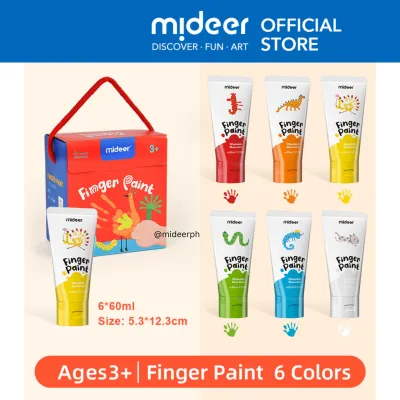
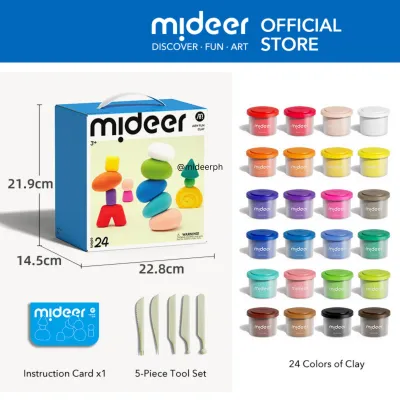
Prices are valid at publication and may change. Please refer to the product page for the latest price.
By the time students reach upper elementary in Grades 5 and 6, they tackle advanced techniques and specialized mediums. Detailed sketching, poster making, and watercolor painting become standard parts of the grading rubric. These older students need tools that offer precise control, such as fine-point colored pencils, dual-tip markers, and semi-moist watercolor pans. Because they are expected to manage their own supplies and apply varying pressure to achieve depth, their art set should act as a comprehensive, organized toolkit that supports independent creative expression.
Key Features to Evaluate in Mideer Art Sets
When browsing art sets, material safety is the primary consideration for any parent. Always inspect the packaging for clear non-toxic labels, such as the EN71 European safety standard or the ASTM D-4236 certification. These indicators confirm that the pigments, binders, and plastics used in the markers, paints, and crayons are safe for prolonged skin contact. Avoid sets that lack clear manufacturing details or safety stamps, especially for younger children who might accidentally lick their fingers or touch their faces during art class.

Classroom environments can be demanding, meaning tools must withstand being dropped on hard school floors or pressed down with force. Check the casing strength of colored pencils to ensure the inner lead does not fracture easily when sharpened. For markers, look for sturdy, ventilated caps that prevent drying and are easy for small hands to snap shut. Ergonomic designs, such as triangular barrels, prevent pencils and crayons from rolling off slanted school desks, saving students from constantly retrieving lost supplies.
The physical case of the art set plays a massive role in its longevity and daily utility. During the rainy season, high humidity and sudden downpours can easily damage flimsy cardboard packaging. A sturdy, water-resistant plastic or treated wooden carrying case protects the contents from moisture during the daily commute in a crowded backpack or on public transport. Furthermore, a case with dedicated slots for each tool teaches children organizational skills, making it easy to spot if a marker or brush is missing before they pack up for the day.
Matching Mideer Mediums to Common School Projects
School art curricula are designed to expose students to various textures, techniques, and visual concepts. Aligning the specific mediums in an art set with these academic tasks ensures your child is always prepared for the weekly art lesson.
Watercolors and Poster Paints
Painting assignments often require students to explore color mixing and fluid brush strokes. For younger grades, semi-moist watercolor pans are highly recommended over liquid tubes because they are inherently less messy, dry faster in humid classroom conditions, and are easier to transport without risking accidental spills inside a school bag. When evaluating a paint set, check the quality of the included brushes; look for synthetic bristles that retain their shape and do not shed onto the paper. Additionally, verify that the paint pigments are vibrant enough to show up clearly on standard school drawing paper, which is often thinner than professional watercolor sheets. To prevent excessive bleeding or paper warping, teach your child to use minimal water, especially when working on standard 80 GSM sketchpads.
Crayons, Colored Pencils, and Markers
Dry and ink-based mediums form the backbone of daily schoolwork, extending beyond art class into science diagrams and social studies posters. For Grades 1 and 2, prioritize washability by looking for markers labeled as easily washable from skin and clothing, as accidental stains are inevitable. For older students in Grades 3 to 6, the focus shifts to blending capabilities and color variety. Colored pencils should have soft, wax-based or oil-based cores that allow for smooth layering and shading without scratching the paper. Examine the marker tips; conical tips are highly versatile as they allow for both broad strokes and fine lines depending on the angle of use. Ensure the colors are rich and saturated, allowing students to create eye-catching posters and projects that stand out under classroom lights.
Pre-Purchase Checklist and School Coordination
Before finalizing your purchase, cross-reference the art set contents with the official school supply list provided by the teacher. Many schools have strict guidelines regarding the number of colors allowed or specific prohibited mediums, such as oil pastels for younger grades due to clean-up difficulties. If the list is ambiguous, clarify with the teacher whether a multi-medium set is acceptable or if they prefer individual, loose supplies. This prevents buying a large, expensive set only to find out half of the items cannot be used in class.
When shopping on local ecommerce platforms or visiting physical stationery stores, carefully read the product descriptions and customer reviews. Verify the exact contents of the bundle, as some listings may use promotional images showing extra accessories that are not included in the basic package. Look for authorized local distributors to ensure you are receiving genuine products with authentic non-toxic certifications.
Finally, consider the long-term cost of ownership. Art supplies are consumables; markers will eventually dry out, crayons will wear down, and popular colors like white, black, and blue will run out faster than others. Check if the brand offers individual refills or if the storage case can accommodate standard-sized replacements from other stationery brands. Budgeting an extra ₱150 to ₱300 for mid-year replacements ensures your child’s art kit remains fully functional throughout the entire school year without requiring a complete repurchase of the entire set.
Frequently Asked Questions (FAQ)
How do I clean and maintain art supplies for long-term school use?
To extend the lifespan of your child’s art supplies, establish a simple post-class cleaning routine. For watercolors and poster paints, always wipe the plastic mixing palette clean with a damp cloth before closing the lid to prevent colors from muddying during transport. Brushes should be rinsed thoroughly under cool water, reshaped with the fingers, and dried flat or bristle-side up in a well-ventilated area. In the humid climate of the Philippines, storing damp brushes or wet paint pans inside a sealed plastic case can lead to mold growth. Ensure all items are completely dry before long-term storage, and keep the art set in a cool, dry place away from direct sunlight to prevent crayons from melting and markers from drying out.
What should I do if the school requires a specific color not in the set?
If a school project demands a specific shade or medium not included in your art set, there is no need to purchase a whole new kit. You can easily supplement the existing set by buying individual open-stock colored pencils, markers, or paint tubes from local stationery stores. Before buying, check that the supplementary medium is compatible with what your child already uses; for instance, ensure any extra colored pencils are of a similar hardness to prevent uneven blending. You can organize these extra tools by securing them with a simple elastic band or placing them in a small pencil pouch that fits inside the main art bag, keeping all creative tools consolidated and ready for class.

Community discussion
Share your experience or ask a question. Comments are reviewed before publication.