
Selecting the ideal marker line from Ohuhu requires matching your artistic goals with the specific chemical properties of each ink type. Whether you are illustrating detailed comic panels, blending soft watercolor washes, or practicing elegant hand lettering, your choice of marker directly dictates your paper requirements, blending techniques, and overall workspace setup. By understanding how alcohol-based inks, water-based watercolor markers, and flexible brush pens behave on different mediums, you can make an informed purchase that elevates your creative workflow.
Identify Your Art Style and Project Needs
Before browsing sets, evaluate your primary drawing techniques and the physical demands of your projects. If your work relies on seamless, streak-free color transitions and vibrant, layered illustrations, your style demands a medium that blends chemically on the page. Conversely, if you prefer textured, organic washes, soft gradients, and painterly effects, a water-reactive medium is more appropriate.
Line work and coverage requirements also play a critical role. Fine, dynamic details and expressive lettering require highly responsive, flexible tips that react to pressure changes. Broad, flat color fills, such as those in large-scale coloring books or poster designs, are much easier to achieve with wide chisel tips or juicy, fast-flowing nibs.
Products mentioned in this guide
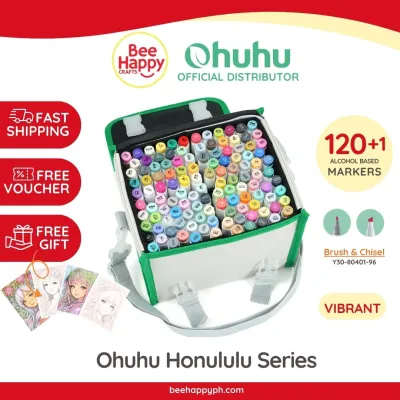
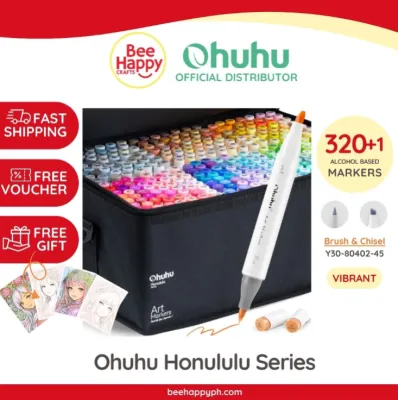
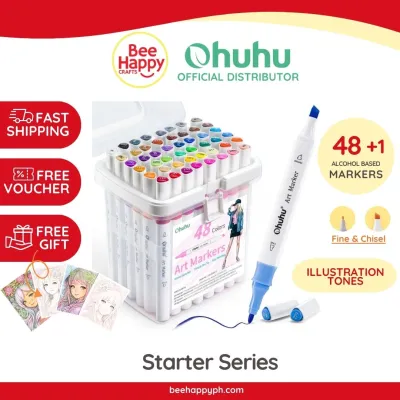
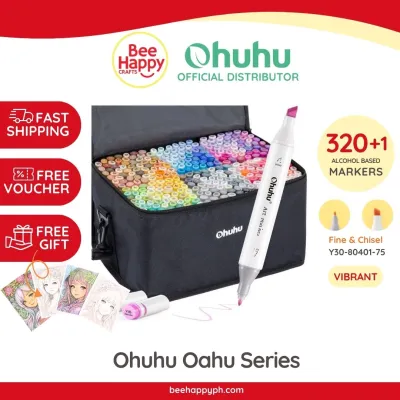
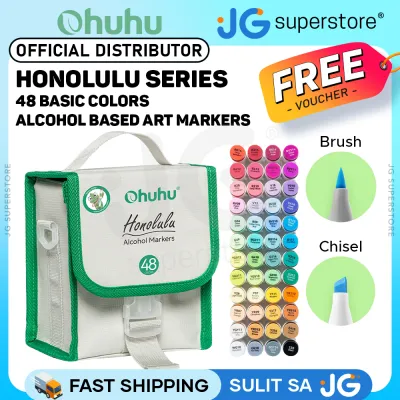
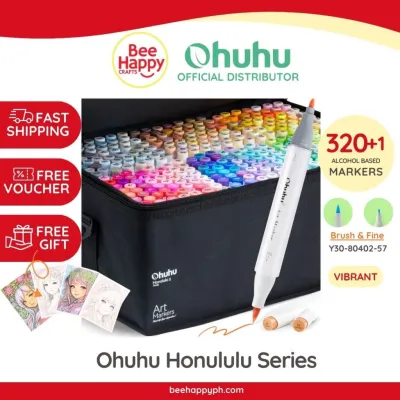
Prices are valid at publication and may change. Please refer to the product page for the latest price.
Finally, consider your physical workspace. In warm, humid tropical climates like the Philippines, drying times and ink evaporation rates can vary. Alcohol-based markers release distinct solvent odors that require a well-ventilated room, whereas water-based options are virtually odorless and require only a small cup of water for cleanup. Assessing these practical factors beforehand prevents frustration and ensures your creative space remains comfortable.
Compare the Three Ohuhu Marker Lines
Ohuhu offers three distinct marker categories designed for different artistic applications. Each line features unique ink formulations, nib configurations, and blending capabilities that dictate how they interact with paper and other mediums.

Alcohol-Based Markers
Alcohol-based markers are highly favored by illustrators, manga artists, and designers for their ability to create smooth, streak-free color fields. The dye-based ink is suspended in an alcohol solvent, which evaporates rapidly to allow quick layering and seamless blending. Because the alcohol solvent temporarily re-wets the underlying ink layers without tearing the paper fibers, you can build rich gradients and deep shadows easily.
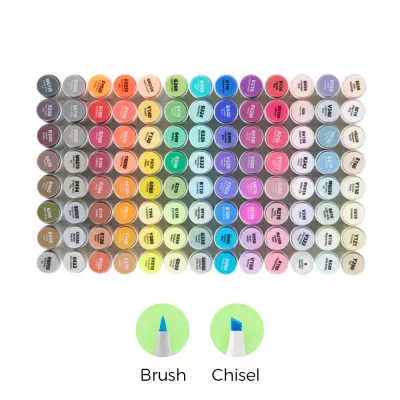
When selecting alcohol markers, pay close attention to the nib configuration. Ohuhu offers combinations such as brush and chisel, or fine and chisel. The brush nib provides expressive, sweeping strokes, while the chisel tip is ideal for filling large areas. However, alcohol ink is highly prone to bleed-through on standard paper, meaning you must use specialized bleed-proof paper or heavy cardstock. Additionally, the solvent produces a noticeable odor, making proper ventilation essential during long drawing sessions.
Watercolor Markers
Watercolor markers utilize water-soluble, dye-based inks that mimic traditional watercolor paints. These markers are highly suitable for artists who want the precision of a pen combined with the fluid, expressive qualities of paint. You can apply the ink directly to dry paper and blend it with a wet brush, or draw directly onto damp paper to create immediate wet-on-wet diffusion.
Because the ink is water-reactive, you can reactivate dried color on the page at any time by adding water. However, this water-based nature means drying times are slightly longer, especially in high-humidity environments. Paper buckling is a significant risk; standard drawing paper will warp and pill under wet washes, making heavy, sized watercolor paper (at least 200 to 300 gsm) a necessity. Furthermore, you cannot layer these markers endlessly, as excessive water application will eventually degrade the paper surface and lift previous layers.
Brush Pens
Brush pens are specialized writing and drawing instruments designed primarily for hand lettering, calligraphy, journaling, and precise line art. These pens feature highly flexible, resilient tips—often made of durable nylon fibers or felt—that respond dynamically to hand pressure, allowing you to transition seamlessly from hairline strokes to thick, dramatic downstrokes.
When choosing brush pens, it is vital to verify the ink type on the product label, as they can be either water-based dye inks or pigment-based inks. Water-based brush pens offer vibrant colors that can be lightly blended, while pigment-based brush pens provide excellent water resistance and lightfastness once dry, making them ideal for outlining watercolor or alcohol marker drawings. Check the nib flexibility to ensure it matches your hand control; firmer nibs are generally easier for beginners practicing calligraphy, while softer, longer brush tips offer greater line variation for experienced artists.
Match Markers to Your Paper and Workspace
Achieving the best results with your chosen Ohuhu marker line depends heavily on pairing it with the correct paper weight and coating. Alcohol-based markers require thick, dense, or specially coated bleed-proof paper (typically 120 gsm or higher) to prevent the ink from soaking through to the next page. Without a proper barrier, the fast-flowing alcohol ink will feather at the edges, ruining clean lines. Watercolor markers, on the other hand, demand heavily sized, water-resistant paper that can absorb moisture without warping, pilling, or tearing. Standard sketchbooks are rarely compatible with wet watercolor techniques, so investing in dedicated watercolor paper is crucial.
Your physical environment also dictates which marker line is most practical. In the Philippines, where tropical humidity is often high, water-based inks may take slightly longer to dry completely, while alcohol-based inks can evaporate quickly if the markers are left uncapped during use. If you work in a closed, air-conditioned room, the fumes from alcohol markers can accumulate quickly, making a room with open windows or an active fan highly recommended. Watercolor markers and water-based brush pens offer a virtually odorless alternative that is much easier to use in confined home spaces.
Proper storage is another critical factor in maintaining consistent ink flow. Alcohol-based and double-ended markers should always be stored horizontally. This horizontal orientation ensures that the ink remains evenly distributed between both ends, preventing one nib from drying out while the other becomes oversaturated. Water-based brush pens and single-ended markers can often be stored vertically, but checking the manufacturer’s specific packaging instructions is always the safest way to prevent premature drying.
Build Your Starter Set Based on Your Diagnosis
Once you have diagnosed your artistic style and workspace conditions, you can confidently select a starter set that matches your needs.
If your primary focus is illustration, character design, or comic art, follow Path A. Prioritize alcohol-based marker sets that offer a balanced color spectrum. Beginners often benefit from starting with a mid-sized set of 36 to 48 colors that includes a dedicated colorless blender, a selection of skin tones, and a basic grayscale range for shading. This allows you to practice smooth blending techniques without being overwhelmed by too many color choices.
If your goals lean toward painting, mixed media, or bullet journaling, follow Path B. Opt for watercolor marker sets, and ensure they include a refillable water brush accessory. This accessory allows you to blend colors on the go without needing a separate water cup. Look for sets with vibrant, highly soluble colors that can be easily mixed on a plastic palette before being applied to your paper.
For those focused on calligraphy, hand lettering, or detailed outlining, follow Path C. Select brush pen packs that emphasize high-contrast colors, particularly rich blacks and deep grays. A small set of dual-tip brush pens with a flexible brush on one end and a fine liner on the other provides the ultimate versatility for journaling and sketching.
Before finalizing your purchase, always verify the exact nib configuration (such as brush, chisel, or fine) and the ink type printed on the product packaging. Compare prices in Philippine Pesos (₱) across authorized online stores and local stationery distributors to find the best value, and check for official seller badges to ensure you are purchasing authentic Ohuhu products.
Frequently Asked Questions (FAQ)
Can I use Ohuhu alcohol markers and watercolor markers together?
Yes, you can combine both marker lines in a single piece of art, but you must follow a specific layering order to prevent smudging and paper damage. The general rule is to apply your water-based watercolor markers first, allow the paper to dry completely, and then layer your alcohol-based markers on top. Because alcohol ink does not reactivate water-based ink, this sequence keeps your lines clean. Applying water over alcohol ink, however, can cause the paper to pill and may lead to unpredictable bleeding. Always perform a quick test on a scrap piece of the same paper to observe how the inks interact and to verify drying times before working on your final piece.
How do I know when my Ohuhu markers are running out of ink?
You can identify a depleting marker through several clear, observable signs. The most common visual cues include faded color laydown, streaky or uneven coverage on areas that used to fill smoothly, and a scratchy sound as the nib moves across the paper. If the nib itself looks visibly dry or pale despite being stored correctly, the ink reservoir is likely empty. When this occurs, check the manufacturer’s guidelines to see if your specific marker model is refillable or if the nibs can be replaced. If the marker is a non-refillable model, storing it horizontally for a few hours may temporarily draw the remaining ink to the tips, but a dry, scratchy nib ultimately indicates it is time to replace the marker.

Community discussion
Share your experience or ask a question. Comments are reviewed before publication.