
Choosing the right Panda sign pen variant requires matching the tip size, ink formulation, and color to your specific writing tasks and paper types. In the Philippines, where high tropical humidity can affect how ink dries and how paper absorbs moisture, selecting the correct pen is crucial for maintaining clean, professional documents. The primary decision criteria include line precision, smudge resistance, and institutional color acceptance. By understanding how these factors interact, you can select a pen that ensures your signatures remain legible, your notes stay neat, and your documents comply with official standards.
Whether you are signing legal contracts, grading school exams, or taking rapid notes during a meeting, the performance of your writing instrument depends on these technical details. A pen that excels on thick, absorbent paper might bleed through standard notebook sheets, while a ultra-fine tip might feel scratchy on rough surfaces. This guide breaks down the key characteristics of different variants so you can make an informed choice at the stationery store or when browsing online marketplaces.
Understanding Panda Sign Pen Tip Sizes and Line Widths
Selecting the appropriate tip size is the first step in finding a pen that matches your handwriting style and document requirements. Sign pens generally feature metal-collared tips that house a tiny rotating ball to dispense ink. The diameter of this ball determines the line width, which typically ranges from ultra-fine to broad. When choosing a variant, you should inspect the pen barrel or packaging for the exact millimeter specification, as generic terms like “fine” or “medium” can vary between different product lines.
Products mentioned in this guide
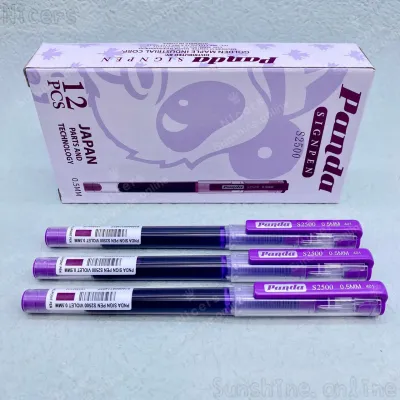
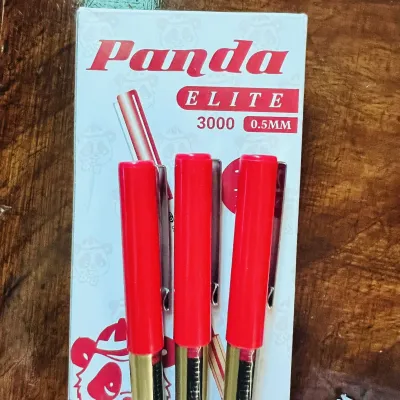
Prices are valid at publication and may change. Please refer to the product page for the latest price.
Fine tip variants, such as those measuring 0.5 mm or smaller, are designed for precision and control. They restrict the ink flow slightly, producing thin, clean lines that are ideal for writing in tight spaces, filling out multi-column ledgers, or taking detailed notes in compact journals. Because they lay down less ink, fine tips are less likely to bleed through thin paper, making them highly practical for everyday office forms and standard school notebooks.
Medium tip variants, often measuring around 0.7 mm, offer a balanced writing experience that combines smooth ink delivery with moderate line boldness. This size is highly versatile and widely preferred for general writing, journaling, and filling out standard applications. The ink flows more freely than in a fine tip, reducing the hand pressure required to write, which can help prevent fatigue during long writing sessions.
Broad tip variants, typically 1.0 mm or larger, deliver a bold, continuous stroke that stands out clearly on the page. These tips are excellent for executive signatures, certificates, and marking tasks where high visibility is essential. However, because broad tips dispense a larger volume of ink, they require highly absorbent, heavy-weight paper to prevent pooling and feathering along the edges of your letters.
Comparing Ink Formulations and Drying Characteristics
The type of ink inside your sign pen dictates how smoothly it glides across the paper, how quickly it dries, and how long the writing will last. Standard sign pens generally use either water-based dye inks or pigment-based gel formulations. Each formulation has distinct physical properties that behave differently depending on the paper stock and environmental conditions like humidity.

Dye-based inks are known for their vibrant colors and exceptionally smooth flow because the colorant is fully dissolved in the liquid medium. This allows the ink to saturate the paper fibers quickly, resulting in a highly consistent line. However, dye-based inks are highly water-soluble, meaning they can easily smudge or run if they come into contact with water, sweaty palms, or high humidity. They are best suited for temporary notes and everyday writing where archival permanence is not a priority.
Pigment-based or archival inks contain microscopic solid particles suspended in the liquid. Once written, the liquid carrier evaporates or absorbs into the paper, leaving the pigment particles bound tightly to the surface fibers. This formulation offers superior water resistance and fade resistance over time. If you are signing legal documents, checks, or records that must be preserved for years, verifying that the pen uses pigment or water-resistant ink is highly recommended.
Regardless of the formulation, you should always test the drying time on the specific paper stock you plan to use. Paper weight, texture, and surface coatings heavily influence drying speed. For instance, a highly coated, glossy paper will prevent ink from absorbing quickly, leading to smudges if touched too soon. Conversely, rough, uncoated paper will absorb ink instantly but may cause the lines to feather or spread outward.
Evaluating Color Options for Official and Everyday Use
Ink color is not just a matter of personal preference; it is often governed by institutional rules, legal standards, and organizational workflows. Choosing the wrong color for a specific task can result in rejected forms, delayed transactions, or administrative confusion. Understanding the standard roles of different ink colors helps ensure your work is accepted without issue.
Black ink is the universal standard for legal documents, contracts, and official government applications. It provides the highest contrast against white paper, making it easy to read and highly legible when photocopied, scanned, or microfilmed. Many official forms in the Philippines, such as those for civil registration or licensing, explicitly mandate the use of black ink to ensure digital archiving systems can capture the text clearly.
Blue ink is also widely accepted and often preferred by corporate offices and financial institutions. Using blue ink makes it easy to distinguish an original, hand-signed document from a black-and-white photocopy. When signing bank checks or authorization letters, a dark blue ink provides a professional appearance while offering a clear visual indicator of authenticity.
Red ink and other bright colors like green or purple are reserved for editing, grading, and color-coding. Teachers, editors, and auditors use these distinct colors to make corrections and comments stand out clearly from the original black or blue text. Before using these colors, ensure they align with your organization’s internal guidelines, and avoid using them for official signatures or formal correspondence.
Decision Framework: Matching the Variant to Your Task
To finalize your purchase, evaluate your primary writing tasks against the specific characteristics of each Panda sign pen variant. This structured framework helps you identify the ideal combination of tip size and ink type for your daily routine.
Choose a Fine or Standard Variant If…
- Your primary tasks involve daily note-taking, journaling, or filling out forms with small text boxes.
- You frequently write on standard copy paper, newsprint, or thin notebook pages where heavy ink flow would cause bleed-through to the back of the page.
- You need a reliable, quick-drying pen for rapid writing, such as taking lecture notes or recording minutes during a fast-paced meeting.
- You prefer a controlled writing feel with minimal line spreading, ensuring your handwriting remains neat and legible even in tight spaces.
Choose a Pigment or Broad Variant If…
- You are signing official contracts, legal deeds, land titles, or bank checks that require high-visibility strokes and long-term permanence.
- Your documents are likely to be handled frequently, archived for years, or exposed to environmental moisture and humidity.
- You prefer an exceptionally smooth, gliding writing experience and routinely use thick, high-quality paper (such as 80 gsm or higher) that can handle a heavier volume of ink.
- You want your signature to look bold, authoritative, and professional on certificates or formal correspondence.
Verify First If…
- You are left-handed: Left-handed writers should verify the drying speed of the ink on their preferred paper. Because a left-handed writer's hand moves across the newly written text, a fast-drying variant is essential to prevent smudging.
- You are signing on glossy surfaces: Standard water-based sign pens may bead up or smear on glossy photo paper, thermal receipts, or plastic-coated labels. Verify if the pen is rated for non-porous surfaces before attempting to write.
- You are using carbonless copy paper: If you need to write on duplicate or triplicate forms, verify that the pen tip can withstand the physical pressure required to transfer the impression to the sheets underneath without bending or skipping.
Pre-Purchase Checks and Storage Considerations
To ensure you get the best performance from your selected variant, perform a few quick checks before purchasing and follow proper storage practices. These simple steps help maintain consistent ink flow and extend the usable life of your writing instruments.
When buying from physical stationery stores or online marketplaces, inspect the packaging integrity carefully. Ensure that any safety seals, plastic wraps, or wax tip protectors are completely intact. A wax bead on the tip of the pen is a common manufacturer feature that prevents the ink from drying out or leaking during transit and storage; make sure to peel this off gently before your first write.
Proper storage is key to preventing ink separation and maintaining a smooth flow. Always store your sign pens horizontally or tip-down, depending on the manufacturer’s recommendations. Storing pens tip-up can cause the ink to drain away from the nib, leading to air pockets and scratchy writing when you next use them. Additionally, always click or cap the pen tightly immediately after use to prevent the solvent in the ink from evaporating.
If you notice that the ink appears separated through a clear barrel, the tip is dried out upon opening, or the pen leaks excessively, avoid attempting risky modifications or using harsh solvents to revive it. Instead, consult the retailer or the manufacturer’s customer service channel for guidance or a replacement. Taking care of your pens ensures that they are always ready to deliver clean, professional lines whenever you need them.

Community discussion
Share your experience or ask a question. Comments are reviewed before publication.