
Finding the right Pilot fountain pen depends on matching the pen’s filling system, nib size, and body weight to your daily writing habits and experience level. Whether you are a student taking rapid notes in a humid tropical classroom or a professional signing documents in an air-conditioned office in the Philippines, selecting a model that aligns with your maintenance willingness and paper choice ensures a smooth, leak-free writing experience. By evaluating how you write and how much care you want to put into your stationery, you can easily find a reliable companion for your desk.
Assess Your Experience Level and Maintenance Willingness
Fountain pens require different levels of care depending on how they store and draw ink. For beginners, cartridge and converter systems offer a highly straightforward introduction to the hobby. These pens allow you to swap out empty ink cartridges quickly or use a removable converter to draw ink from a bottle. Before purchasing, always verify the proprietary sizing requirements on the product packaging, as Pilot pens typically use their own unique cartridge and converter designs rather than standard international sizes.
Experienced users often choose integrated filling systems, such as piston, vacuum, or eyedropper fillers, which hold a much larger volume of ink. While these systems reduce the need for frequent refills, they require a higher willingness to perform regular maintenance. You must commit to flushing the entire barrel periodically and conducting deep cleanings to prevent dried ink from clogging the internal channels.
Products mentioned in this guide
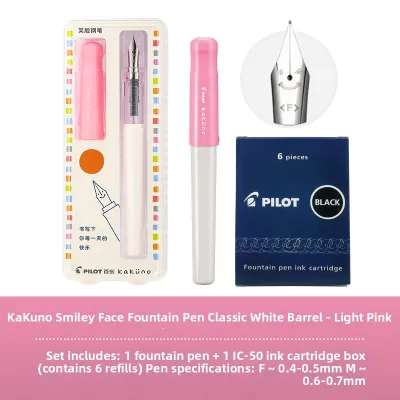
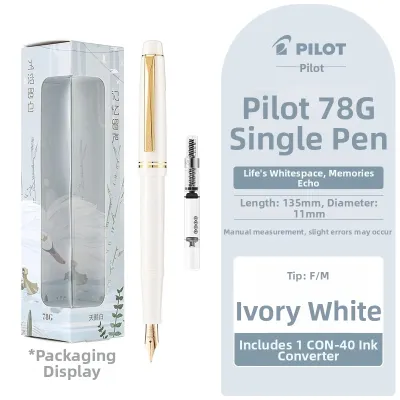
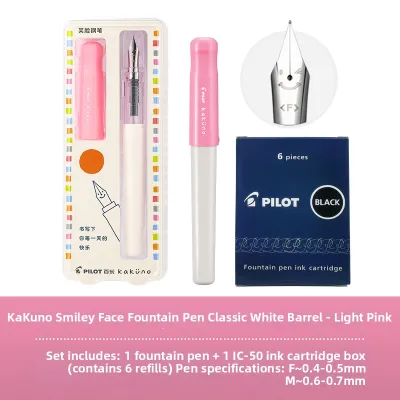
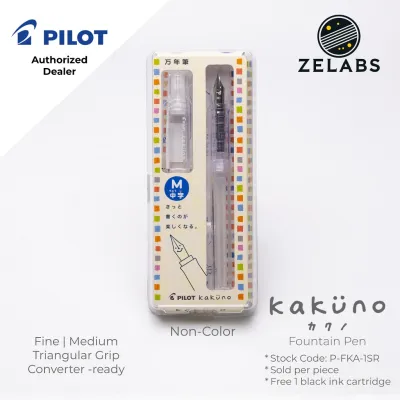
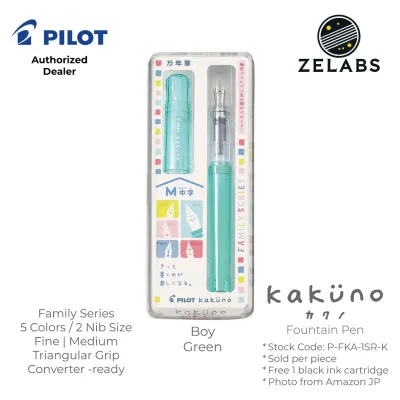
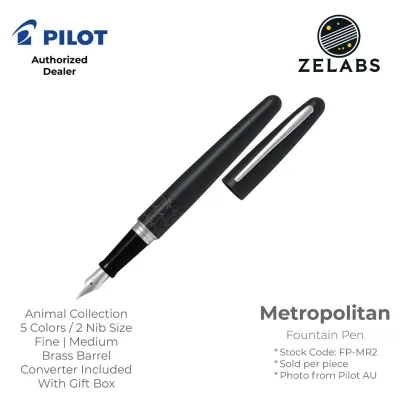
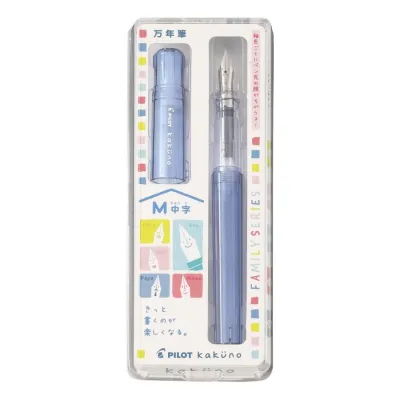
Prices are valid at publication and may change. Please refer to the product page for the latest price.
Regardless of the model you choose, always check the manufacturer instructions regarding disassembly limits. Attempting to pull apart the feed, section, or internal plunger mechanism without official guidance can easily damage delicate silicone seals or crack the barrel. Sticking to approved cleaning methods prevents ink leaks and ensures you do not accidentally void the manufacturer’s warranty.
Identify Your Primary Writing Style and Use Case
The physical design of a fountain pen—its weight, length, and grip diameter—directly impacts your comfort during different writing tasks. If your primary goal is extended daily note-taking or journaling, prioritizing a lightweight, balanced pen is essential. Heavy metal barrels can cause hand fatigue during long writing sessions, whereas lightweight resin or plastic bodies allow your hand to glide effortlessly across the page for hours.

For expressive writing or personal journaling, the diameter of the grip section and the overall ink capacity deserve close attention. A grip that is too narrow can cause your fingers to cramp, while one that is too wide might feel clumsy. Consider your typical writing volume; if you write multiple pages daily, a pen with a larger ink capacity or a highly efficient feed system will keep you from constantly refilling mid-thought.
Professional document signing calls for a different set of design priorities. In these settings, a pen with premium body materials and a balanced length provides a professional aesthetic and optimal weight distribution. Pay attention to posting preferences—whether the cap fits securely on the back of the pen while writing—as posting can significantly alter the balance and center of gravity of the instrument in your hand.
Match Nib Sizes and Materials to Your Paper and Grip
Selecting the correct nib width is crucial for achieving consistent ink flow and preventing feathering on your chosen paper. Japanese nibs, including those from Pilot, are generally ground finer than Western counterparts. Extra-fine (EF) and fine (F) nibs are excellent choices for small, precise handwriting or for writing on standard, highly absorbent paper. These finer tips lay down less ink, which helps verify fast drying times and minimizes feathering even in humid tropical climates.
If you prefer a larger, bolder script or want to showcase the shading properties of your ink, medium (M) and broad (B) nibs are more suitable. However, these wider nibs deposit a larger volume of ink onto the page. Before committing to a broader model, it is wise to test for bleed-through on your standard office paper, as lower-grade paper stocks may not handle the heavy wetness well.
The choice between steel and gold nibs also influences your writing experience, though not always in the ways people expect. Steel nibs generally provide consistent, firm feedback, making them highly reliable for daily note-taking and structured writing. Gold nibs often offer a more cushioned feel and subtle flexibility, but you should rely on official manufacturer specifications rather than assuming all gold nibs are soft or springy.
Evaluate Budget and Long-Term Value
Aligning your purchase with a realistic budget involves looking at both the upfront cost and the long-term expenses of ownership. Pilot offers options across several price tiers in the Philippines, ranging from entry-level utility pens under ₱1,500 to mid-range everyday carries, and premium gold-nib investments. Setting a budget based on how frequently you plan to use the pen helps ensure you get excellent value for your writing habits.
Remember to factor in the ongoing cost of essential accessories and consumables. While some pens include a starter cartridge, you may need to purchase proprietary converters separately to use bottled inks. Replacement nib units, specialized cleaning bulbs, and fountain-pen-friendly paper collections also contribute to the overall cost of maintaining your writing setup over time.
Finally, protect your investment by verifying manufacturer warranties and authorized retailer return policies in the Philippines before finalizing your purchase. Buying from official channels ensures that you receive a genuine product and gives you access to reliable customer support if you encounter any manufacturing defects or flow issues out of the box.
Frequently Asked Questions (FAQ)
Can I use third-party ink cartridges with Pilot fountain pens?
No, Pilot fountain pens generally do not accept standard international third-party ink cartridges due to their proprietary port design. You must use proprietary Pilot cartridges or a compatible Pilot converter to fill your pen from ink bottles. Always observe the fit and seal quality when inserting a cartridge or converter, and stop use immediately if it does not seat securely, as a loose fit will cause internal leaks.
How do I clean a Pilot fountain pen before changing ink colors?
To clean your pen safely, flush the nib section with room-temperature water using a cleaning bulb or the pen’s built-in converter until the water runs completely clear. Avoid using hot water, rubbing alcohol, or harsh household solvents, as these can warp the plastic feed and degrade internal seals. Allow the components to air-dry completely on a soft towel before loading a new ink color, and consult a professional repair service if persistent clogs remain after basic flushing.

Community discussion
Share your experience or ask a question. Comments are reviewed before publication.