
Selecting the right play doh set requires more than just picking the largest or most colorful box on the shelf. The ideal choice depends on matching the set’s complexity, tool sizes, and safety features to your child’s specific developmental stage. While a toddler thrives on simple sensory exploration—squeezing, flattening, and poking the dough—an older child seeks the challenge of intricate molds, mechanical extruders, and themed storytelling. Aligning the set with your child’s age ensures they remain engaged, builds their confidence, and prevents the frustration of using tools that require more hand strength or coordination than they currently possess.
Beyond keeping children entertained, modeling compound play serves as a valuable educational tool. It helps develop fine motor skills, hand-eye coordination, and spatial awareness. By understanding what to look for at each stage of growth, you can select a set that provides the right balance of safety, challenge, and creative freedom. This guide breaks down the essential safety guidelines, developmental milestones, and practical buying considerations to help you make an informed decision.
Understanding Play-Doh Safety and Age Guidelines
Before evaluating the creative features of any play doh set, safety must be your primary consideration. Manufacturers place age recommendations on their packaging for critical reasons. These guidelines, typically indicating suitability for ages 2 and up or 3 and up, are based on safety testing, chemical standards, and developmental appropriateness. Reading these labels carefully is the first step in ensuring a safe play experience.
Products mentioned in this guide
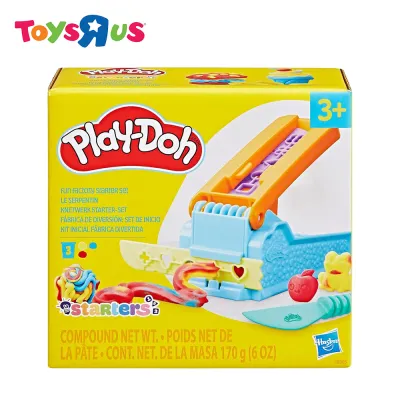
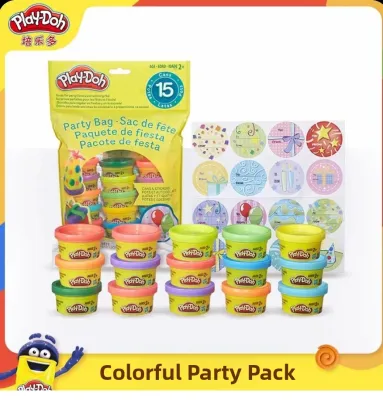
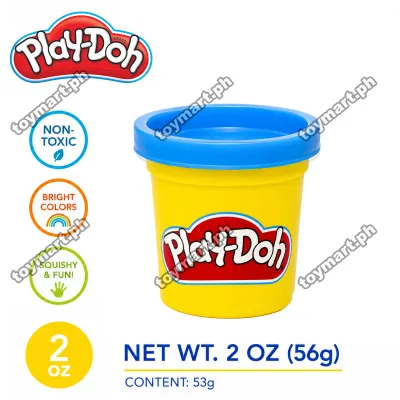
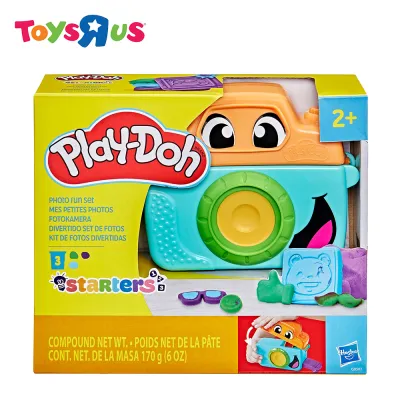
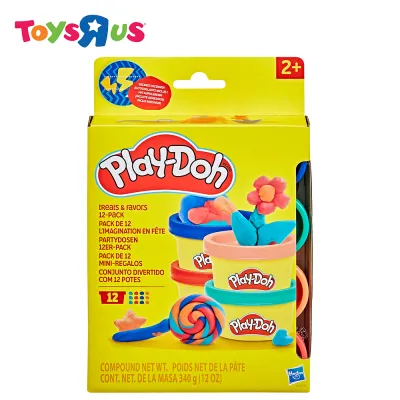
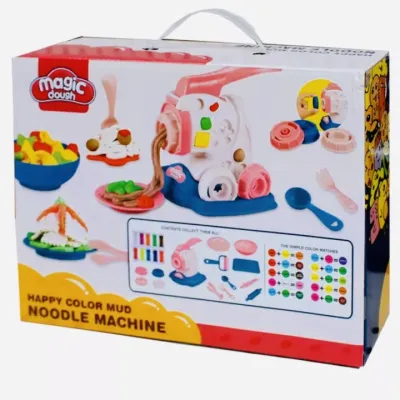
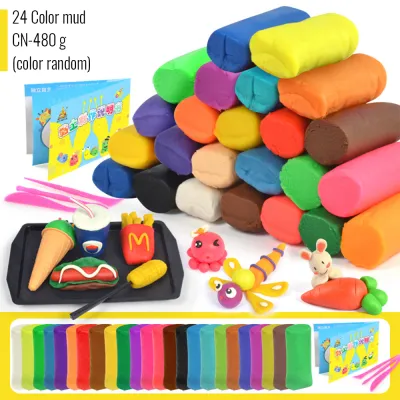
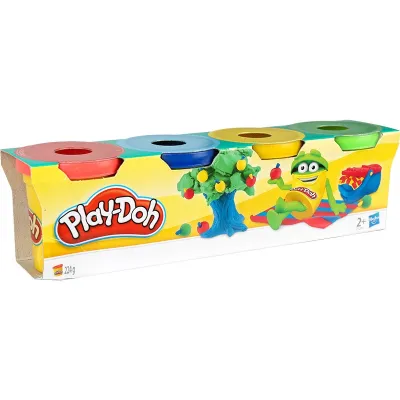
Prices are valid at publication and may change. Please refer to the product page for the latest price.
The primary safety concern for younger children is the risk of choking. Sets designed for older children often include small parts, detachable accessories, and intricate molds that can easily fit into a toddler’s mouth. Children under the age of 3 are in a highly oral phase of development, meaning they naturally explore new textures by tasting them. For this reason, sets with small plastic cutters, tiny decorative plugs, or multi-piece mechanical assemblies should be kept out of reach of toddlers.
While the modeling compound itself is manufactured to be non-toxic, it is strictly designed for external play and is not food. The compound contains a high concentration of salt, water, and flour, which can cause mild stomach upset if consumed in large quantities. Additionally, because the compound is wheat-based, it is not suitable for children with gluten sensitivities or wheat allergies. Always verify the non-toxic certification labels on the packaging and supervise play sessions to ensure children do not ingest the dough.
In tropical climates like the Philippines, environmental factors also play a role in safety and hygiene. High humidity can encourage the growth of mold on organic materials if they are left damp or exposed to dirt. Regularly inspecting the compound for changes in smell, texture, or appearance is a simple but effective way to maintain a hygienic play environment. Ensuring hands are washed before and after play helps keep the compound clean and safe for repeated use.
Choosing a Play-Doh Set by Developmental Stage
Aligning a play doh set with your child’s developmental stage is essential for fostering a positive play experience. Children develop physical strength, coordination, and cognitive abilities at different rates, and toy manufacturers design their products to support these specific milestones. Introducing a set that is too advanced can lead to frustration, while a set that is too simple may fail to hold an older child’s interest.

The progression of play moves from basic sensory exploration to complex, multi-step imaginative play. Younger children focus on the physical sensation of the dough, learning how it responds to their touch. As they grow, they begin to use tools to shape the dough, eventually progressing to elaborate roleplay scenarios where they create detailed scenes and stories. Understanding this progression allows you to choose a set that matches your child’s current abilities while gently encouraging their next developmental steps.
Toddlers (Ages 2–3): Sensory Exploration and Basic Motor Skills
For toddlers, play is entirely about sensory exploration. At this stage, children are developing their gross and fine motor skills, learning to grip objects, squeeze their hands, and coordinate basic movements. The ideal play doh set for a toddler focuses on simplicity, tactile feedback, and ease of use, rather than complex creations or specific themes.
Look for starter sets that feature large, chunky tools with no small detachable parts. Thick rollers, oversized stampers, and simple plastic cutters are perfect for small hands to grasp. These tools help toddlers practice the actions of pushing, pulling, and pressing without requiring precise finger coordination. Avoid sets with intricate molds or mechanical parts that require significant hand strength to operate, as these will only cause frustration.
Starter packs with fewer colors are highly recommended for this age group. Toddlers do not yet understand the concept of keeping colors separate, and giving them too many options usually results in all the dough being mixed into a single brown or gray lump within minutes. Providing two or three bright, distinct colors keeps the play session manageable and minimizes the visual clutter. It also allows you to focus on teaching basic color recognition during play.
Additionally, prioritize sets that come in easy-to-open containers with larger volumes of dough. Toddlers benefit from having a substantial amount of compound to work with, as it allows them to use both hands to squeeze, roll, and squish. Larger cans are also easier for toddlers to handle, helping them practice the physical task of opening and closing lids, which builds independence and hand strength.
Preschoolers (Ages 4–5): Imaginative Play and Tool Introduction
Preschoolers are rapidly developing their imaginations and are beginning to engage in symbolic play. They love to mimic real-world activities, such as cooking, gardening, or caring for animals. At this stage, children have also developed better hand strength and finger dexterity, allowing them to use more detailed tools and follow simple instructions.
For this age group, look for sets that feature themed molds and simple mechanical presses. Sets that allow children to create basic food shapes, animals, or vehicles are highly engaging. Simple extruders, such as manual pasta makers or plunger-style tools, are excellent for preschoolers. Operating these tools requires a moderate amount of hand strength and coordination, which helps build the muscles needed for holding pencils and writing.
Introducing a wider variety of colors is beneficial for preschoolers. They are capable of understanding that colors can be kept separate, and they enjoy experimenting with basic color mixing. You can use this opportunity to teach them how primary colors combine to make secondary colors. Sets that include a range of bright shades encourage sorting, categorizing, and creative decision-making.
Preschoolers also enjoy sets that prompt storytelling. A simple kitchen-themed set, for example, allows them to “cook” a meal and serve it to family members. This type of cooperative play helps develop language skills, social interaction, and empathy. The tools should still be relatively easy to clean, as preschoolers are learning to take responsibility for putting their toys away after play.
Early School Age (Ages 6+): Complex Creations and Themed Sets
By the time children reach early school age, their fine motor skills are highly refined, and they can follow complex, multi-step processes. They enjoy detailed projects that require patience, precision, and planning. For these older children, basic rolling and cutting are no longer challenging enough; they want to create realistic, detailed models and elaborate scenes.
Advanced themed sets are perfect for this age group. Popular options include detailed dental sets, intricate kitchen creations, and construction-themed kits. These sets often feature multiple moving parts, detailed molds, and specialized accessories that allow children to perform specific tasks, such as “filling a tooth” or “decorating a cake.” These activities require precise finger movements and hand-eye coordination.
Older children also appreciate specialized dough variations if they are available in the manufacturer’s current lineup. Compounds with added glitter, confetti, metallic finishes, or color-changing properties add a new layer of excitement to their creations. Bulk packs with a wide array of colors allow them to build large, detailed scenes without running out of material.
At this stage, sets should promote independent play and problem-solving. Children can read or follow visual instructions to assemble tools and complete projects. They are also capable of managing a larger number of small accessories and should be encouraged to take full responsibility for cleaning up their play area, sorting the tools, and sealing the containers properly when finished.
Key Features to Evaluate Before Buying
When browsing online marketplaces or local department stores in the Philippines, comparing different sets can be overwhelming. To find the best value for your budget, it helps to evaluate specific features beyond just the character branding on the box. Focusing on practical usability ensures the set remains a favorite toy rather than a source of clutter.
- Dough Quantity vs. Tool Count: Always check the ratio of modeling compound to plastic accessories. Some large boxes contain dozens of plastic molds but only a few small cans of dough. Conversely, a set with plenty of dough but no tools can limit creative options. Look for a balanced set that provides enough compound for multiple children to play simultaneously alongside a functional selection of tools.
- Storage Solutions: Play-Doh sets can quickly accumulate dozens of small plastic pieces. Sets that include a reusable storage bin, a play tray with built-in compartments, or an organized insert are highly valuable. Having a dedicated place to store all the components makes cleanup easier and prevents small molds from getting lost under furniture or swept away.
- Refill Availability: Modeling compound is a consumable item. Even with careful use, it will eventually dry out, get dirty, or become mixed into an unusable color. Before buying a highly specialized set, ensure that standard-sized replacement cans (such as 2-ounce or 4-ounce cans) are readily available in your local retail shops. This ensures the plastic tools can be used for years to come.
- Budget and Value: Compare the price of the set against the actual contents. Calculate the value by looking at the total weight of the dough included and the durability of the plastic tools. When shopping online, keep your budget in ₱ in mind and look for sets that offer versatile, open-ended tools that can be used with any dough refill, rather than single-use novelty items.
Setting Up a Safe and Mess-Free Play Environment
While modeling compound play is highly beneficial, it can also be messy. Dried crumbs of dough have a way of finding their way into carpets, tile grout, and furniture. Setting up a designated play zone before opening the cans is the most effective way to contain the mess and ensure a stress-free experience for parents.
Establish a clear boundary for play by using a washable silicone mat, a large plastic tray, or a dedicated low table. This contains the crumbs and prevents the dough from sticking to wooden dining tables or getting ground into fabrics. In Filipino homes with tiled or polished concrete floors, containing the play to a specific mat makes sweeping up dried crumbs incredibly simple.
Teaching children a “lid check” routine is vital for preserving the life of the compound. Before putting the set away, have your child verify that every lid is pressed down firmly until it clicks shut. In air-conditioned rooms, the dry air can dehydrate the dough quickly, while in non-air-conditioned spaces, leaving the cans open can expose the compound to dust and humidity. Making the lid check a standard part of cleanup teaches responsibility and saves money on replacements.
When cleanup is required, avoid using harsh chemicals or hot water on dried dough. For hard floors, let the dropped pieces dry completely; they will harden into solid crumbs that can be easily swept or vacuumed up. For fabrics or carpets, pressing a large ball of fresh, soft dough against the dried crumbs is an effective way to lift them out of the fibers without causing stains or damage.
Frequently Asked Questions (FAQ)
Is Play-Doh safe if my child accidentally eats it?
Yes, the modeling compound is generally safe if a child accidentally swallows a small amount, as it is manufactured using non-toxic ingredients. The primary ingredients are water, salt, and flour. However, because of the extremely high salt content, eating large quantities can cause mild stomach discomfort or dehydration.
The primary safety concern for young children is not chemical toxicity, but rather the physical risk of choking on large lumps of dough or small plastic accessories included in the set. Additionally, because the compound contains wheat flour, it is not safe for children with celiac disease, gluten intolerance, or wheat allergies. If your child has these sensitivities or if they ingest a significant amount of the compound, it is best to consult your pediatrician for advice.
How can I revive Play-Doh that has started to dry out?
If the compound has only recently started to dry out and is slightly stiff or crusty on the surface, you can easily restore its moisture. The manufacturer-recommended method is to add a few drops of clean water to the dough and knead it thoroughly to incorporate the moisture. Alternatively, you can wrap the damp dough in a wet paper towel and place it back inside its sealed container overnight to let it slowly absorb the water.
Avoid using excessive water, as this will turn the compound into a sticky, slimy paste that is difficult to clean. Do not heat the dough in a microwave or oven, and avoid adding unapproved household oils, which can break down the binders in the compound and ruin its texture. If the dough has become completely hard, crystallized, or crumbles into fine dust when touched, it is past the point of recovery and should be safely discarded and replaced.

Community discussion
Share your experience or ask a question. Comments are reviewed before publication.