
Choosing a fountain pen requires balancing ergonomics, ink capacity, and writing habits. TWSBI has earned a dedicated following by offering high-capacity demonstrator pens that showcase the inner workings of the writing instrument. The Eco, Diamond 580, and Mini represent three distinct approaches to this design philosophy. By evaluating their physical dimensions, filling mechanisms, and daily usability, you can determine which model aligns with your specific writing needs and budget.
Key Specifications and Design Differences
Understanding the physical and mechanical differences between these three models establishes a baseline for your comparison. While all three pens are clear demonstrators that allow you to monitor your ink level at a glance, they employ different engineering choices. The Eco and Diamond 580 rely on integrated piston filling systems, which draw ink by retracting an internal plunger via a twisting end cap. In contrast, the Mini is available in two distinct mechanical configurations: the Diamond Mini, which uses a piston system, and the Vac Mini, which utilizes a vacuum plunger mechanism to pull ink into the barrel.
Body materials and cap designs also vary across the lineup. The Eco features a smooth, cylindrical resin barrel with a hexagonal cap, while the Diamond 580 boasts a heavier, faceted polycarbonate barrel designed to catch the light and resist rolling. Unlike many entry-level school pens that use snap-on or slip-caps, all three of these TWSBI models utilize secure, threaded screw-caps. This threaded design is highly beneficial in warm, humid tropical climates, as it creates an airtight seal that prevents ink from evaporating or drying out in the feed during periods of inactivity.
Products mentioned in this guide

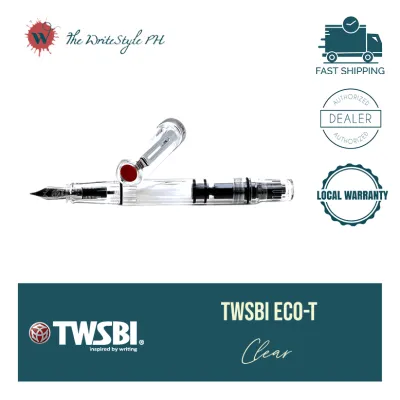
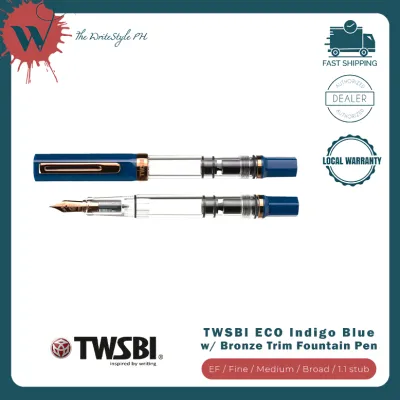
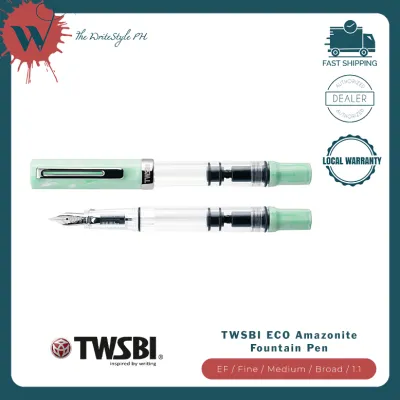
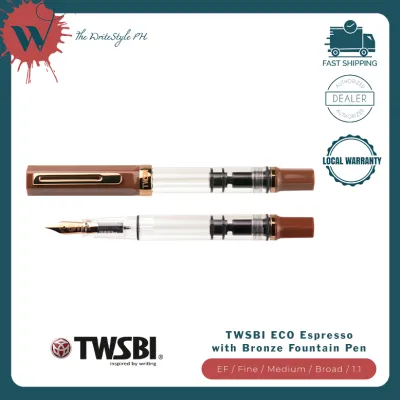
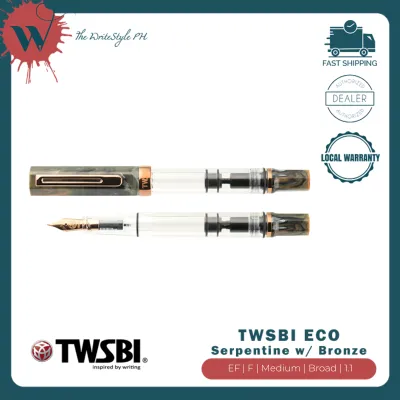
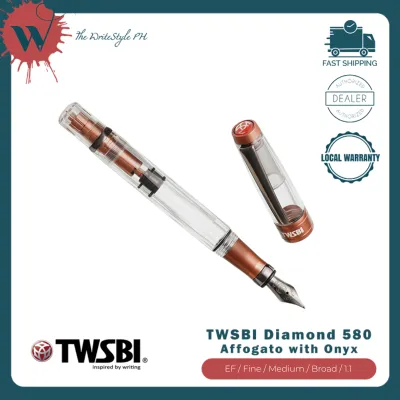
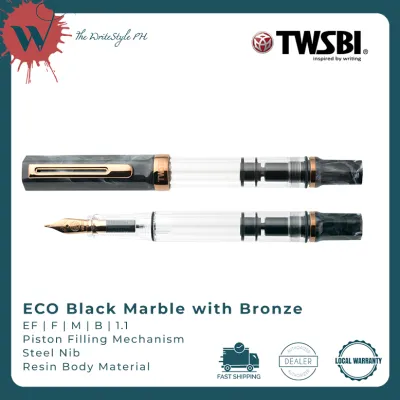
Prices are valid at publication and may change. Please refer to the product page for the latest price.
Posting behavior—the act of placing the cap on the back of the pen while writing—is another key differentiator. The Eco can be posted, though it becomes quite long. The Diamond 580 is generally designed to be used unposted, as posting the heavy cap can disrupt the balance of the pen. The Mini, however, is specifically engineered to be posted; its cap threads securely onto the rear of the barrel to transform a pocket-sized pen into a comfortable, full-length writing instrument.
| Specification | TWSBI Eco | TWSBI Diamond 580 | TWSBI Mini (Diamond / Vac) |
|---|---|---|---|
| Filling System | Piston Filler | Piston Filler | Piston (Diamond Mini) / Vacuum (Vac Mini) |
| Cap Mechanism | Threaded Screw-Cap | Threaded Screw-Cap | Threaded Screw-Cap |
| Posting Style | Push-Post (Friction) | Not Recommended | Threaded Post (Screw-on) |
| Relative Ink Capacity | High (~1.76 ml) | Very High (~1.98 ml) | Moderate (~1.2 ml to 2.0 ml) |
| Available Nib Sizes | EF, F, M, B, Stub 1.1 | EF, F, M, B, Stub 1.1, Stub 1.5 | EF, F, M, B, Stub 1.1 |
| Grip Section Material | Polished Resin | Resin or Aluminum (AL/ALR) | Polished Resin |
TWSBI Eco: The Everyday Workhorse
The TWSBI Eco is designed for daily, heavy-duty writing and serves as an accessible entry point for budget-conscious writers. While some entry-level pens utilize a slip-cap for rapid deployment, the Eco features a threaded screw-cap. This design choice requires a full turn and a half to uncap, which may slightly slow down immediate note-taking but provides an exceptionally secure seal that keeps the nib wet and ready to write instantly.

For students and professionals facing long writing sessions, the Eco offers a massive ink capacity. The entire clear barrel acts as the ink reservoir, allowing you to write pages of notes without the frequent refills required by standard cartridge or converter pens. The piston mechanism operates smoothly, letting you draw ink directly from any bottled ink source with a simple twist of the tail cap.
However, the Eco involves certain design trade-offs to maintain its accessible price point. The body is constructed from a lighter, simpler resin that lacks the premium heft of the higher-tier models. Additionally, the grip section is integrated directly into the plastic barrel without a metal collar or textured ridges, which some writers may find slippery during humid afternoons. The nib and feed are also friction-fit directly into the section, meaning they are not designed for frequent swapping.
TWSBI Diamond 580: The Premium Demonstrator
The TWSBI Diamond 580 caters to users seeking a more refined writing experience, enhanced physical balance, and a premium aesthetic. The standout feature of the 580 is its faceted, diamond-patterned barrel. This design not only showcases the movement of the ink inside but also prevents the pen from rolling off flat desks when uncapped. The internal components feature metal connector threads, adding durability and a reassuring weight to the pen’s construction.
Ergonomics are a primary focus of the Diamond 580 design. It features a distinct, removable grip section, which is available in polished resin or anodized aluminum (found on the AL and ALR variants). The aluminum grip versions shift the center of gravity forward, providing a self-guided writing feel that reduces the need to apply downward hand pressure. The threaded screw-cap ensures pocket safety, preventing accidental leaks when carried in a bag or shirt pocket.
Despite these premium features, the Diamond 580 has physical limits to consider. Because of the metal internal parts and the heavy cap, posting the cap on the rear of the barrel makes the pen excessively long and back-heavy, which can cause hand fatigue during extended writing sessions. It is best enjoyed unposted. The higher price tier also means a larger initial investment, though this is balanced by the inclusion of a fully modular, screw-in nib unit that simplifies cleaning and customization.
TWSBI Mini: The Pocket-Friendly Traveler
The TWSBI Mini is engineered for portability, making it an excellent option for writers who travel or prefer a compact carrying profile. The Mini lineup includes the Vac Mini, which features a vacuum filling mechanism. This system uses a moving plunger rod to compress air and draw ink on the downstroke. The primary advantage of this vacuum system for travelers is the integrated shut-off valve; when the rear blind cap is fully tightened, it seals the ink chamber off from the feed, preventing leaks caused by air pressure changes during flights or rapid temperature shifts.
To maintain comfortable ergonomics despite its short physical length, the Mini features threads on the rear of the barrel. This allows you to screw the cap securely onto the back of the pen when writing. Once posted, the Mini achieves a balanced, full-sized length that fits comfortably in most hands. Unposted, the pen is exceptionally compact, fitting easily into small pouches, pocket planners, or travel bags.
This travel-friendly design does come with specific trade-offs. The overall ink capacity of the piston-filled Diamond Mini is lower than that of its full-sized siblings due to its shorter barrel. Additionally, the vacuum filler on the Vac Mini has a slight learning curve; achieving a complete fill requires a swift, continuous downward stroke of the plunger, which can take a few attempts to master. The small size may also feel cramped for writers with very large hands who prefer to write unposted.
Decision Framework: Matching the Pen to Your Hand and Habits
Selecting the right TWSBI model depends on your physical writing preferences, your environment, and how you plan to maintain the pen.
Choose the TWSBI Eco if:
- You want a high-capacity, reliable daily writer at the most accessible price point.
- You prefer a lightweight pen that does not cause fatigue during long, continuous writing sessions.
- You do not mind a smooth plastic grip section and do not plan on frequently swapping nib sizes.
Choose the TWSBI Diamond 580 if:
- You prefer a standard-sized pen with a premium, faceted aesthetic and a heavier, balanced feel.
- You want the flexibility of easily swapping nib units by simply unscrewing the collar.
- You write primarily at a desk and prefer to use your fountain pens unposted.
Choose the TWSBI Mini if:
- You need a compact pocket pen for travel, commuting, or quick note-taking on the go.
- You want a vacuum-filling system with an air-travel shut-off valve to prevent leaks under pressure changes.
- You enjoy posting your pen cap and prefer the security of a threaded posting mechanism.
When selecting a nib, consider your paper choice. TWSBI nibs generally follow European sizing standards, which run slightly wider than Japanese alternatives. If you frequently write on standard copy paper or school notebooks, an Extra Fine (EF) or Fine (F) nib is recommended to minimize ink feathering and bleed-through. For high-quality, fountain-pen-friendly paper, Medium (M), Broad (B), or Stub nibs will showcase the shading and sheen of your favorite inks.
Before purchasing, compare current retail prices in ₱ across authorized local stationery shops and specialty online retailers to ensure you are buying from a reputable source that offers warranty support. If you find that none of these models fit your hand comfortably—perhaps due to a preference for slim metal bodies or snap-caps—it may be wise to explore alternative brands before committing to a high-capacity demonstrator.
Frequently Asked Questions (FAQ)
Can I swap nibs between the TWSBI Eco, Diamond 580, and Mini?
No, the nibs are not universally interchangeable across these three models. The TWSBI Diamond 580 and the TWSBI Mini use proprietary, screw-in nib units, but they are different sizes and cannot be swapped with each other. The TWSBI Eco uses a friction-fit nib and feed that is pressed directly into the section; it does not use a screw-in housing. While some users pull the friction-fit nib from an Eco to swap with other pens, this is not officially supported and can damage the feed. Always check the manufacturer’s current compatibility chart or product packaging before purchasing spare nib units.
How do I maintain the piston and vacuum filling mechanisms?
Both filling systems require periodic cleaning and lubrication to ensure smooth operation and maintain airtight seals. For the piston-filling Eco and Diamond 580, use the included wrench to gently unscrew the piston assembly from the rear of the barrel only when the mechanism becomes stiff to turn. Apply a tiny drop of the included silicone grease to the rubber piston head before reassembling. For the Vac Mini, unscrew the section or the rear plunger assembly to access the metal rod and rubber gasket, applying a thin layer of silicone grease to the moving parts. Avoid over-lubricating, as excess grease can migrate into the feed and block the ink flow.

Community discussion
Share your experience or ask a question. Comments are reviewed before publication.