
Finding the ideal white board marker for kids in the Philippines requires looking beyond vibrant colors. Parents and educators must prioritize physical safety, ergonomic design, and easy cleanup. In a tropical climate where indoor play and home study sessions are common, selecting a marker that resists drying out while remaining completely safe for young skin and hands is essential. By focusing on verifiable safety standards, age-appropriate barrel shapes, and washable ink formulations, you can confidently build a reliable shortlist from local stationery stores and online marketplaces.
Key Features to Evaluate When Choosing Kids' Markers
When evaluating a white board marker for kids, three primary physical and chemical characteristics dictate whether a product is suitable for home or classroom use.
First, consider the grip size and barrel shape. Young children who are still developing their fine motor skills require a different physical profile than older elementary students. Chunky, thick, or triangular barrels help early learners maintain a secure hold without straining their hands. Standard, thin markers are better suited for older children who have already mastered the pincer grasp.
Products mentioned in this guide
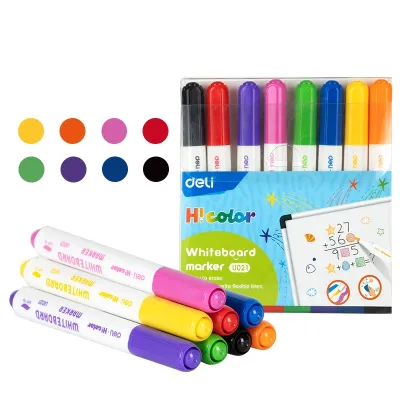
Prices are valid at publication and may change. Please refer to the product page for the latest price.
Second, examine the ink formulation. Standard whiteboard markers often rely on alcohol-based or ketone-based solvents that emit strong fumes. For children, water-based or specifically designated low-odor inks are highly preferable. These formulations minimize inhalation risks, especially in enclosed study areas or air-conditioned rooms common in Philippine households. Additionally, water-based inks are inherently easier to wash off skin and household surfaces.
Third, pay close attention to the cap design. Caps represent a significant choking hazard for toddlers and young children. Look for ventilated caps that feature built-in airflow channels. These channels allow air to pass through if a cap is accidentally swallowed, providing a critical safety buffer. Furthermore, the cap should fit securely enough to prevent the ink from drying out in warm, humid tropical conditions, yet remain easy enough for a child to remove and replace independently.
Building Your Shortlist: Marker Types by Child's Needs
Not all children use writing instruments the same way. Categorizing your search based on your child’s developmental stage, sensory sensitivities, and play style allows you to select markers that match their specific daily activities and learning environments.
Ergonomic and Chunky Grip Markers for Early Learners
For toddlers and preschoolers, the physical act of holding a marker is a developmental milestone. Standard office markers are often too thin, leading to hand fatigue, frustration, and improper grip habits. Chunky or jumbo-sized markers provide a larger surface area that fits naturally into a child’s palm.
Look for barrels with textured surfaces or soft rubberized grips that prevent slipping when hands get sweaty in warm weather. Triangular barrels are particularly effective because they naturally guide fingers into a proper tripod grip, preventing the marker from rolling off study tables. When browsing local e-commerce platforms, always check the manufacturer’s age recommendations. Products designed for early learners are specifically engineered to withstand the heavy downward pressure typical of enthusiastic young writers, ensuring the nibs do not easily recede into the barrel.
Low-Odor and Certified Non-Toxic Options for Indoor Use
Indoor study spaces in the Philippines, whether they are air-conditioned bedrooms or cozy living room corners, often have limited cross-ventilation. Using standard whiteboard markers in these spaces can quickly lead to a buildup of strong chemical odors, which may cause headaches or discomfort for sensitive children.
To prevent this, prioritize markers labeled as low-odor. However, do not rely solely on marketing buzzwords in online product titles. True low-odor markers use alternative solvent systems that do not evaporate as aggressively as traditional industrial solvents. Verify these claims by looking for official non-toxic certifications printed directly on the packaging. A certified non-toxic label ensures the ink does not contain harmful volatile organic compounds (VOCs) or heavy metals, making it safe for prolonged indoor creative sessions.
Easy-Wash and Mess-Minimizing Markers for Active Play
Creative play is rarely contained entirely on the whiteboard. Ink frequently finds its way onto hands, arms, clothing, and nearby furniture. To minimize cleanup stress, look for markers specifically formulated with ultra-washable, water-based inks.
These inks are designed to release easily from skin with simple soap and warm water, and from most washable fabrics during a standard laundry cycle. However, keep in mind that “washable” is not an absolute guarantee for every material. It is highly recommended to perform a quick spot test on an inconspicuous area of school uniforms or play clothes before allowing unrestricted use. Additionally, select quick-dry formulas. Quick-drying ink prevents the immediate transfer of wet pigment onto a child’s hand as they write or draw from left to right, keeping both the artwork and the child cleaner.
Safety and Certification Labels to Verify on Packaging
When shopping on online marketplaces or in local department stores, you will encounter a wide variety of imported stationery brands. To ensure the safety of your children, you must learn to read and verify the certification seals printed on the product packaging.
The most reliable indicator of safety for art materials is the AP (Approved Product) seal issued by the Art and Creative Materials Institute (ACMI). This seal certifies that the product has been evaluated by a toxicologist and contains no materials in sufficient quantities to be toxic or injurious to humans. Another common standard is the CE mark, which indicates compliance with European safety standards, specifically EN71, which governs toy safety, including chemical migration limits and physical safety hazards.
Be cautious of red flags when browsing online listings. If a product description claims to be “100% safe” or “organic” but the physical packaging lacks visible certification seals, clear age grading, or manufacturer contact information, it is best to avoid it. Unbranded or extremely cheap bulk imports often bypass these rigorous testing phases. Whether you are purchasing a budget-friendly set for ₱150 or a premium imported pack, always cross-reference the product images and descriptions with the official manufacturer website to confirm that the safety certifications are legitimate and up to date.
Practical Tips for Maintaining and Storing Kids' Markers
Proper care and storage not only extend the lifespan of your whiteboard markers but also ensure they remain safe and functional for daily use. In the humid tropical climate of the Philippines, open ink systems can degrade quickly if left uncapped or stored incorrectly.
Always store whiteboard markers horizontally. Storing them vertically can cause the ink to pool at the bottom, leaving the tip dry, or conversely, cause the tip to become oversaturated and leak. Teach children the habit of listening for the “click” when capping their markers. A loose cap allows the water-based solvents to evaporate rapidly, rendering the marker useless within hours.
If a marker does dry out, check the manufacturer’s instructions before attempting to revive it. Some water-based markers can be temporarily revived by dipping the very tip in a tiny amount of warm water for a few seconds, while others may require specialized refill inks. Never use rubbing alcohol or household solvents to revive kids’ markers, as this can alter the non-toxic chemical formulation and ruin the whiteboard surface. Finally, store markers in a dedicated container placed at an accessible height for older children, but keep them out of reach of unsupervised toddlers to prevent accidental ingestion of caps or wall-drawing incidents.
Frequently Asked Questions (FAQ)
Can regular whiteboard markers be used safely by children?
Standard whiteboard markers designed for office use are generally not recommended for young children. These products often contain alcohol-based solvents or ketones to ensure rapid drying and permanent bonding on industrial surfaces, which emit strong fumes and can irritate sensitive skin. If standard markers must be used in a classroom or home setting, ensure the room is highly ventilated and that children are closely supervised to prevent skin contact or accidental mouthing. For regular, independent use, always opt for dedicated kids’ whiteboard markers that are certified non-toxic and water-based.
How do I remove dried whiteboard marker stains from clothes or skin?
To remove whiteboard marker ink from skin, wash the area promptly with mild soap, warm water, and a soft washcloth. Avoid harsh rubbing or using industrial solvents like acetone, which can strip natural skin oils and cause irritation. For clothing, check the garment care label first. If the fabric is washable, pre-treat the stain by rinsing it from the back with cold water to flush out excess pigment, then apply a small amount of liquid laundry detergent directly to the spot. Gently blot the stain with a clean cloth—never rub vigorously, as this can spread the ink deeper into the fibers—before washing the garment according to its care instructions.

Community discussion
Share your experience or ask a question. Comments are reviewed before publication.