
Choosing between Winsor & Newton’s Cotman and Professional watercolor lines depends on your current skill level, painting habits, and budget. If you are learning water control, practicing large washes, or painting for personal enjoyment on a budget, the Cotman line provides a highly capable and forgiving introduction. If you are selling original artwork, require maximum pigment purity, or need specific single-pigment colors for advanced color mixing, the Professional line is the necessary investment.
For many artists, a hybrid approach offers the best balance of quality and cost. By using Professional paints for critical focal colors and Cotman for broad background washes, you can stretch your budget without sacrificing the archival quality of your main subjects. Understanding how these two lines differ in their physical formulation, color behavior, and labeling will help you make an informed decision at the art store.
Understanding Pigment Load and Formulation Differences
The primary difference between student-grade and artist-grade watercolor lies in the formulation. Winsor & Newton Professional watercolors are made with a high concentration of fine art pigments suspended in a binder of gum arabic. This high pigment load means a tiny dab of paint goes a long way, delivering intense, vibrant color even when heavily diluted with water.
Products mentioned in this guide
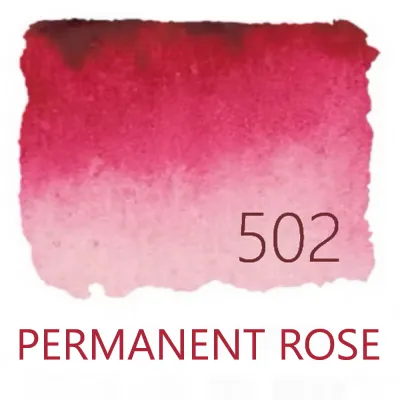
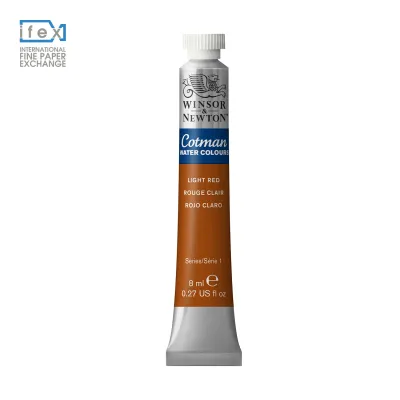
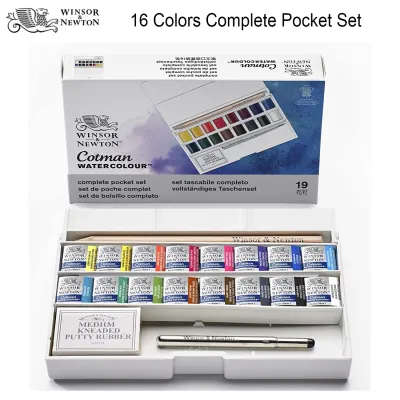

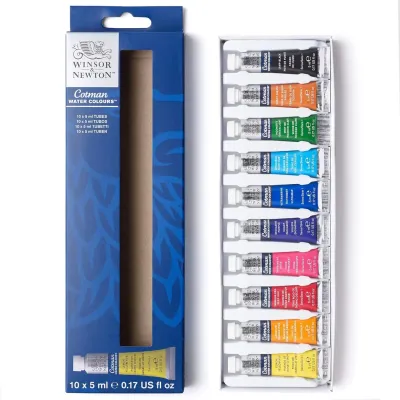
![[T-Moto] Winsor Newton Professional Cotman Watercolor Paint In Metal 12/24 Half Pans High Grade Artist Quality And Reliability](https://img.lazcdn.com/g/p/2c3f50ad697de4b99df6c342e0dbad1a.jpg_webp_400x400q80.jpg_.webp)

Prices are valid at publication and may change. Please refer to the product page for the latest price.
In contrast, the Cotman line is formulated to be more affordable by reducing the pigment concentration and introducing extenders or fillers. These fillers, such as dextrin or chalk, help maintain the working consistency of the paint but reduce its overall tinting strength. When you apply a wash of Cotman paint, you may notice it requires more physical paint from the tube to achieve the same depth of color as a professional equivalent.
Another key difference is the use of “Hue” formulations in the student-grade line. Expensive or toxic natural pigments, such as Cobalt, Cadmium, or Cerulean, are replaced in the Cotman range with synthetic alternatives or blends of cheaper pigments. While these hues mimic the appearance of the original colors, they do not behave the same way when mixed, often leading to less predictable results on your paper.
Professional watercolors rely heavily on single-pigment formulations. When a paint contains only one pigment, it mixes cleanly with other single-pigment paints. Because Cotman paints often use multiple pigments to recreate a single color, mixing them together increases the number of individual pigments on your paper, which can quickly lead to dull or muddy mixtures.
Evaluating Color Range and Lightfastness Labels
When choosing between these two lines, looking closely at the product labels reveals critical information about performance and longevity. The Professional watercolor range offers a vast selection of over 100 colors, including unique granulating minerals and historic pigments. The Cotman range is much smaller, offering a curated selection of around 40 colors designed to cover the essentials of a standard color wheel.

Lightfastness, or a paint’s resistance to fading when exposed to light, is a vital consideration for any artist. Winsor & Newton prints lightfastness ratings directly on the packaging of both lines. They use a classification system where AA represents “Extremely Permanent” and A represents “Permanent.” Most colors in both the Professional and Cotman lines carry these ratings, but the Professional line offers stricter quality control and more options in the highest permanence categories.
In tropical environments like the Philippines, where intense sunlight and high humidity are common, lightfastness is especially important. Art displayed in rooms with strong natural light can fade rapidly if made with low-permanence student paints. Checking the ASTM or Blue Wool scale ratings on your tubes ensures your hard work will survive the local climate over the years.
To verify what you are buying, look at the small print on the back of the tube or pan wrapper. A professional tube will list the specific pigment code, such as PB29 for Ultramarine or PR108 for Cadmium Red. If you see the word “Hue” after the color name on a Cotman tube, it is a clear indicator that the paint is a blend designed to mimic a more expensive pigment, rather than the genuine mineral itself.
Testing Transparency, Granulation, and Mixing Behavior
Before committing to a full set of either grade, conducting a few simple swatching tests on your preferred watercolor paper will reveal how the paint behaves under your brush. Watercolor paper quality plays a massive role here; even professional paint will perform poorly on cheap wood-pulp paper, so use 100% cotton paper for your tests to get accurate results.
To test transparency, draw a thick black line across your watercolor paper using a waterproof archival ink marker. Once dry, paint a smooth wash of your watercolor directly over the black line. A high-quality, transparent paint from the Professional line will leave the black line perfectly crisp and dark, while a student-grade paint containing fillers may leave a slightly cloudy, dusty, or opaque residue over the ink.
Granulation is another physical characteristic to observe during your swatches. Some heavy mineral pigments naturally settle into the texture of cold-pressed paper, creating a beautiful, mottled effect. The Professional line preserves these natural granulating properties, whereas the fillers and alternative pigments in the Cotman line tend to produce a more uniform, flat wash that lacks this organic texture.
Mixing behavior is where the practical differences become most apparent. Try mixing a simple green using a yellow and a blue from both lines. The single-pigment Professional mix will yield a vibrant, clean green, while the Cotman mix may look slightly duller due to the presence of secondary pigments in the starter colors. Testing how the paint rewets on your palette is also crucial; in humid tropical weather, some student-grade binders can become sticky, while professional gum arabic formulas tend to rewet smoothly with a wet brush without crumbling.
Comparing Formats and Allocating Your Budget
Winsor & Newton watercolors are available in two main formats: tubes and pans. Tubes, typically sold in 8ml, 14ml, or 37ml sizes, are ideal for mixing large washes and painting on a grand scale. Pans, available as half-pans or whole-pans, are dry blocks of paint that activate with water, making them highly portable and excellent for outdoor sketching or travel.
To evaluate the true value of your purchase, look beyond the initial sticker price and calculate the cost per milliliter. While a professional tube costs significantly more in ₱ at local art supply stores or online marketplaces, the higher pigment concentration means you use far less paint per painting. Over time, a single professional tube can outlast multiple student-grade tubes, making the long-term cost difference smaller than it appears.
If you are working within a budget, a hybrid palette strategy is highly effective. You do not need to buy an entire set of professional paints all at once. Instead, invest in Professional tubes for your primary mixing colors—such as a warm and cool red, yellow, and blue. You can then fill out the rest of your palette with affordable Cotman pans for earth tones like Burnt Sienna or Yellow Ochre, which do not require complex mixing to look beautiful.
Decision Framework: Which Grade Should You Choose?
Your choice should align with your immediate painting goals, your budget, and how you plan to use the finished artwork. If you are a beginner learning the basics of water control, experimenting with color theory, or filling up practice sketchbooks, the Cotman line is the most practical choice. It allows you to paint freely without worrying about the cost of every brushstroke.
If you are transitioning to selling your original artwork, entering gallery exhibitions, or creating commissioned pieces, you should choose the Professional line. The archival permanence and predictable mixing behavior are essential for creating work that will last for generations without fading. Professional paints are also the right choice if you love the unique textures of granulating pigments.
Before making your purchase, verify your existing supplies. If you are still using low-grade wood-pulp paper, upgrading your paper to 100% cotton will improve your painting experience far more than upgrading your paint grade. Once you have reliable paper, try buying just two or three individual Professional tubes in your favorite colors to test them alongside your Cotman set before investing in a complete upgrade.
Frequently Asked Questions (FAQ)
Can I mix Cotman and Professional watercolors on the same palette?
Yes, you can safely mix Cotman and Professional watercolors on the same palette and even within the same painting. Both lines use compatible binders, meaning they will blend together smoothly without any chemical rejection. However, keep in mind that mixing a Professional paint with a Cotman paint will introduce the student-grade fillers and alternative pigments into your wash, which may slightly reduce the overall vibrancy, transparency, and mixing purity of the professional color.
When is the right time to upgrade from Cotman to Professional?
The right time to upgrade is when you feel your materials are limiting your progress rather than your skills. If you find yourself struggling to achieve deep, rich darks, or if your color mixtures consistently turn muddy despite following proper color theory, you have likely outgrown the student-grade pigment load. Upgrading is also highly recommended as soon as you begin selling your original paintings, as clients expect the archival longevity that only artist-grade pigments can guarantee.

Community discussion
Share your experience or ask a question. Comments are reviewed before publication.