
Choosing the right oil paint series from Winsor & Newton depends primarily on your current skill level, budget, and studio environment. For beginners, students, and artists working on large-scale underpaintings, the Winton Oil Colour series offers an affordable, forgiving, and highly accessible entry point. Professional artists and advanced painters who require maximum pigment load, single-pigment purity, and long-term archival permanence will find their needs met by the premium Artists’ Oil Colour line. Meanwhile, specialized lines like Artisan Water Mixable Oil Colour solve ventilation issues in enclosed home studios, and Griffin Fast Drying Alkyd Oil Colour accelerates drying times for rapid layering. By matching these distinct formulations to your specific artistic goals and studio conditions, you can optimize both your creative output and your financial investment.
In tropical climates where high humidity and warm ambient temperatures can influence how paint behaves, selecting the correct series also impacts your daily studio workflow. High humidity can slow down the oxidation process of traditional oils, making drying times less predictable. Understanding the physical properties of each paint line allows you to manage your drying schedules, layering techniques, and medium compatibility effectively. Whether you are setting up your first palette or preparing a collection for a gallery exhibition, evaluating these series systematically ensures you do not overspend on unnecessary materials while still achieving the technical results your artwork demands.
Understanding the Core Winsor & Newton Oil Paint Lines
Winsor & Newton categorizes its oil paints into distinct families, each engineered with specific chemical formulations, pigment concentrations, and working properties. The most widely recognized line is Winton Oil Colour, which serves as the brand’s student and studio-grade offering. Formulated for affordability and high-volume use, Winton replaces expensive traditional pigments with reliable synthetic alternatives, commonly referred to as “hues.” The binder used is typically linseed oil, adjusted to provide a slightly stiffer consistency than professional paints. This stiffness is intentional, helping students learn to control brushstrokes and retain heavy impasto textures on the canvas without the paint slumping.
Products mentioned in this guide
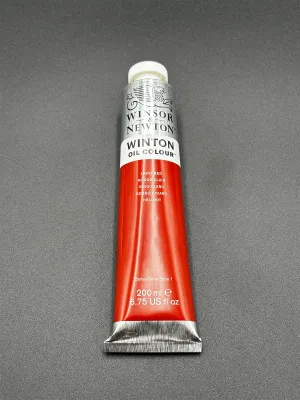
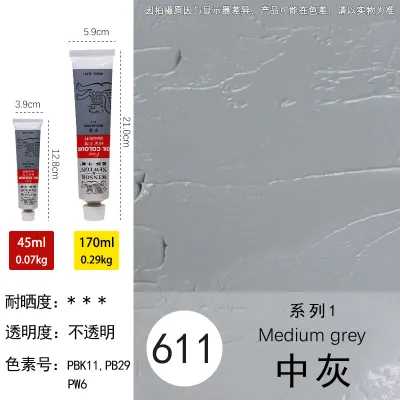
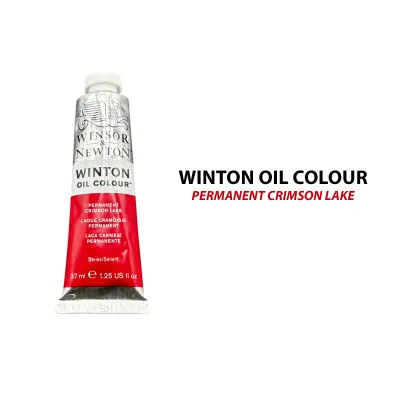
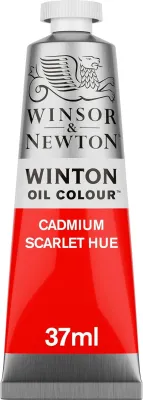
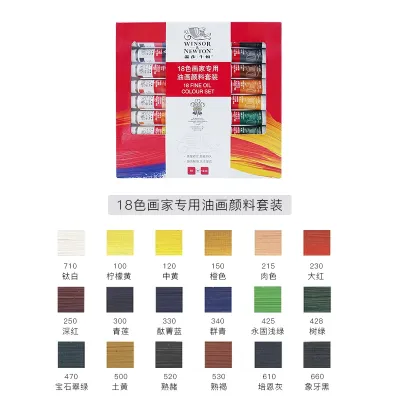
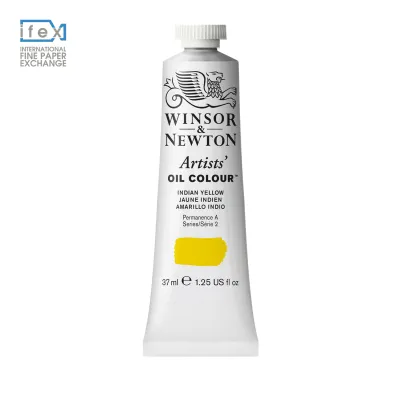
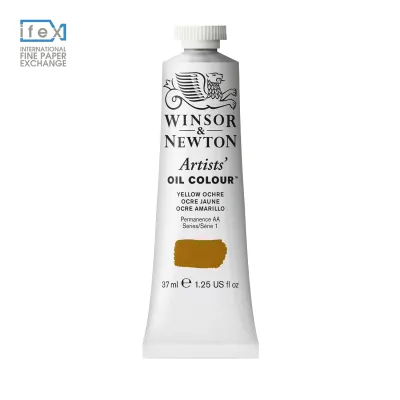
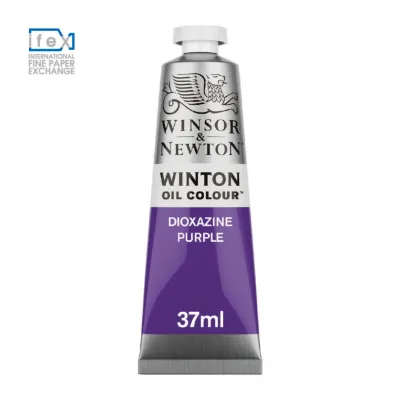
Prices are valid at publication and may change. Please refer to the product page for the latest price.
In contrast, the Artists’ Oil Colour line represents the professional standard of the brand. This series focuses on maximizing pigment load and utilizing single-pigment formulations wherever possible. By avoiding pigment mixtures, these paints offer exceptional tinting strength, color purity, and predictable mixing behavior. The consistency is buttery and smooth, allowing for delicate glazing and precise detail work. The binder is carefully selected based on the pigment; pale colors and whites often use safflower oil instead of linseed oil to minimize yellowing over time, ensuring that the finished artwork retains its original brilliance for decades.
For artists working in specialized environments, Winsor & Newton offers two alternative lines that deviate from traditional oil paint chemistry. The Artisan Water Mixable Oil Colour line is formulated using modified linseed and safflower oils that can emulsify with water. This allows artists to thin the paint and clean their brushes using only water and soap, completely eliminating the need for volatile organic solvents like mineral spirits or turpentine. The Griffin Fast Drying Alkyd Oil Colour line utilizes an oil-modified alkyd resin binder. This formulation significantly accelerates the drying process, allowing the paint layer to cure much faster than traditional oils while retaining the blending capabilities and rich appearance of classic oil mediums.
Because these lines serve different purposes, their availability, packaging options, and set configurations vary. Winton is frequently sold in larger, cost-effective tubes and introductory sets, making it highly accessible for classroom settings and large-scale studio studies. Artists’ Oil Colour is primarily sold as open stock in smaller individual tubes, allowing painters to build a highly customized palette based on their specific color preferences. Artisan and Griffin are also available in specialized sets and individual tubes, though their distribution may be more concentrated in dedicated art supply retailers and specialized online marketplaces.
Matching the Paint Series to Your Skill Level and Studio Needs
When selecting an oil paint series, matching the material to your current experience level prevents frustration and unnecessary expense. For beginners and art students, the Winton series is highly recommended. When learning color theory, color mixing, and basic brush control, you will inevitably use a large volume of paint. Using a student-grade paint allows you to experiment freely, make mistakes, and paint large-scale studies without the financial pressure associated with professional-grade materials. Winton’s forgiving nature and consistent handling make it an excellent tool for mastering the fundamental rules of oil painting, such as the “fat over lean” principle.

Advanced students and professional artists should transition to the Artists’ Oil Colour line for their finished exhibition pieces. The high concentration of single pigments in the professional line is essential for complex glazing techniques, where multiple transparent layers are built up to create depth and luminosity. Mixed pigments in student-grade paints can quickly become muddy when layered or blended extensively. Furthermore, the professional line offers superior archival reliability, ensuring that the colors do not fade or shift when exposed to light over long periods, which is a critical requirement for artwork intended for sale or museum display.
Transitioning from student to professional paints does not require a complete, immediate replacement of your entire inventory. A practical approach is to upgrade your colors gradually as your Winton tubes run out. Focus first on replacing high-impact colors where pigment purity and transparency are most noticeable, such as ultramarines, quinacridones, and cadmiums. Earth tones like Burnt Sienna, Raw Umber, and Yellow Ochre in the Winton line perform remarkably well and can be kept on your palette for underpainting and initial blocking-in, saving your expensive professional tubes for the final, visible layers of the painting.
Your physical studio environment should also dictate your choice of paint series. In tropical regions, painting indoors often requires closing windows to run air conditioning, which limits fresh airflow. In such enclosed spaces, traditional solvents used with Winton or Artists’ Oil Colour can quickly create an uncomfortable or hazardous environment. The Artisan Water Mixable line is the ideal solution for home studios, apartments, or classrooms where proper ventilation is difficult to maintain. On the other hand, if you practice “alla prima” (wet-on-wet) painting or need to meet tight deadlines, the Griffin Alkyd line is highly beneficial, as its rapid drying time allows you to apply subsequent layers within a fraction of the time required by traditional oils.
Comparing Key Specifications to Guide Your Purchase
To make an informed decision, it is helpful to compare the technical specifications of each Winsor & Newton oil paint series side by side. The table below outlines the primary differences in target users, pigment formulation, drying characteristics, and typical use cases.
| Series | Target User | Pigment Formulation Approach | Drying Characteristics | Primary Use Case |
|---|---|---|---|---|
| Winton Oil Colour | Beginners, Students, Studio Practice | Mixed pigments & synthetic "hues" for cost efficiency | Traditional slow drying (2 to 12 days depending on color) | Color theory practice, underpainting, large canvases |
| Artists' Oil Colour | Professionals, Advanced Painters | High concentration of pure, single pigments | Traditional slow drying (2 to 12 days depending on color) | Fine art exhibition pieces, complex glazing, archival work |
| Artisan Water Mixable | Home Studios, Enclosed Spaces | Modified oils compatible with water | Traditional slow drying (2 to 12 days depending on color) | Solvent-free painting, easy soap-and-water cleanup |
| Griffin Fast Drying | Alla Prima Painters, Rapid Layering | Alkyd resin binder with quality pigments | Accelerated drying (typically 18 to 24 hours) | Quick underpainting, fast-paced studio workflows |
The fundamental difference between the student and professional lines lies in the pigment formulation. Professional paints use pure, single pigments which behave predictably when mixed. Student lines often use a combination of cheaper pigments to replicate the appearance of expensive minerals. For example, a genuine Cobalt Blue in the professional line contains pure cobalt potassium phosphate, whereas a “Cobalt Blue Hue” in the student line might contain a blend of Phthalocyanine Blue and Titanium White. While the hue looks similar on the palette, it will have lower tinting strength and may produce unexpected muddy tones when mixed with yellows or reds.
Drying times also vary significantly across these series. Traditional oils, including Winton, Artists’ Oil Colour, and Artisan, dry through a slow process of oxidation rather than evaporation. This means the paint remains workable on the palette for days, allowing for soft blending and smooth transitions. However, drying times are not uniform; earth colors like Raw Umber dry much faster than slow-drying colors like Titanium White or Alizarin Crimson. Griffin Alkyd paints bypass this variance by using a synthetic resin binder that ensures a highly uniform, rapid drying rate across all colors on your palette.
When planning your purchase, evaluate the cost per milliliter in ₱ to optimize your budget. While a large 200ml tube of Winton paint may seem like a larger upfront investment than a small 37ml tube of Artists’ Oil Colour, the cost per milliliter of the student paint is significantly lower. For background washes, large-scale canvas preparation, and experimental sketches, utilizing the larger student tubes keeps your material costs manageable. Reserve your budget for individual professional tubes in colors where high tinting strength and transparency are absolutely critical to your painting style.
Verifying Pigment and Lightfastness Details on the Label
Before purchasing any tube of paint, learning to read the physical label is the most reliable way to verify its technical specifications and ensure it meets your project requirements. Winsor & Newton prints essential performance data directly on the packaging of both student and professional lines. The first detail to check is the pigment code, usually located on the back of the tube. These codes consist of letters and numbers, such as PY42 (Pigment Yellow 42, representing synthetic yellow iron oxide) or PR108 (Pigment Red 108, representing genuine Cadmium Red). If the label lists only one pigment code, it is a single-pigment paint; if multiple codes are listed, it is a blend.
+-----------------------------------------+
|          WINSOR & NEWTON (TM)           |
|          ARTISTS' OIL COLOUR            |
|                                         |
|  [ Color Name / e.g., CADMIUM RED ]     |
|                                         |
|  Lightfastness: ASTM I  (Excellent)     |
|  Opacity Symbol: [ ] (Transparent)      |
|  Pigment Code: PR108                    |
|  Volume: 37ml e                         |
+-----------------------------------------+
Next, locate the lightfastness rating, which indicates how resistant the paint is to fading when exposed to light over time. Winsor & Newton uses the standard ASTM (American Society for Testing and Materials) classification system. Ratings are marked as ASTM I (Excellent Lightfastness) or ASTM II (Very Good Lightfastness). For archival artwork that you intend to sell or exhibit, you should strictly select paints rated ASTM I or II. If a paint is rated ASTM III, it is considered fair and may suffer from visible fading or color shifts over time, making it unsuitable for permanent fine art applications.
Opacity and transparency are also indicated on the tube by a small square symbol. An empty square [ ] represents a fully transparent paint, which is ideal for glazing techniques where light passes through the paint layer and reflects off the white canvas underneath. A diagonal line through the square indicates semi-transparent paint, while a half-filled square represents semi-opaque. A completely filled black square indicates a fully opaque paint, which provides solid coverage and is excellent for blocking out shapes, painting highlights, or working in thick impasto layers. Checking these symbols helps you plan your paint application sequence correctly.
Finally, verify the manufacturer’s recommended drying times and medium compatibility instructions printed on the tube or product chart. Because drying speeds depend heavily on local environmental factors, you should perform an observable trial in your own workspace. Paint a small test swatch of each color on a scrap piece of primed canvas and place it in your usual drying area. Check the swatches daily using a gentle touch test to determine how long each color takes to dry under your local humidity and temperature conditions. This simple test prevents you from accidentally applying wet-on-dry layers too early, which can cause the paint film to wrinkle or crack as it cures.
Frequently Asked Questions (FAQ)
Can I mix Winton and Artists' Oil Colours on the same palette?
Yes, Winton and Artists’ Oil Colours are fully compatible and can be mixed directly on the same palette. Because both lines utilize traditional drying oils as their primary binder, they will chemically bond and cure together without any risk of adhesion failure or cracking. This compatibility allows you to use a hybrid palette, combining the affordability of student-grade paints with the high performance of professional-grade colors.
However, mixing the two lines will alter the handling characteristics and pigment strength of the paint. Adding Winton to Artists’ Oil Colour dilutes the high pigment concentration of the professional paint, reducing its overall tinting strength and color purity. For initial underpaintings, blocking in large shapes, or sketching, mixing these lines is highly practical and cost-effective. For final glazing layers or areas requiring maximum color brilliance, it is best to use the Artists’ Oil Colour line undiluted to preserve its archival qualities.
How do I safely transition from student to professional oil paints?
Transitioning safely and economically from student to professional oil paints involves a gradual, strategic replacement of your materials. Instead of purchasing a complete set of professional paints, start by replacing your most frequently used colors or those that benefit most from high pigment purity. Primary mixing colors like Titanium White, Ultramarine Blue, and Cadmium Yellow are excellent first choices for an upgrade, as their professional versions offer a noticeable improvement in tinting strength and mixing clarity.
Keep your existing student-grade Winton paints for low-impact tasks. They remain highly useful for initial washes, color studies, and blocking in the background layers of large canvases. When shopping, look for individual open-stock tubes at authorized art supply retailers rather than pre-packaged sets. This approach allows you to select only the specific colors you need, keeping your initial expenses low while gradually elevating the overall quality and archival value of your paint collection.
Do water-mixable Artisan oils require different brushes and mediums?
Yes, to achieve the full benefits of the Artisan Water Mixable series, you must use compatible brushes and dedicated mediums. While traditional natural hair brushes can be used, they are not recommended for water-mixable oils. Natural bristles absorb water, causing them to swell, lose their shape, and become limp during painting and cleaning. Dedicated synthetic brushes are engineered to maintain their spring, shape, and performance even when exposed to water-based mixtures.
Additionally, you must use Artisan-specific thinners, oils, and varnishes. Traditional solvents like mineral spirits or standard linseed oil will destroy the water-mixable properties of the Artisan paint, forcing you to use chemical solvents for cleanup. Using the dedicated Artisan mediums ensures that the paint remains water-soluble, dries at a predictable rate, and cures into a durable, stable paint film without compromising the solvent-free benefits of your studio setup.

Community discussion
Share your experience or ask a question. Comments are reviewed before publication.