
Choosing the right writing instrument can transform your daily productivity, whether you are taking notes during a humid afternoon lecture, sketching layout designs, or filling out official forms. For many students and professionals, the choice comes down to a classic wooden pinsil set versus a modern mechanical pinsil set. Both options offer distinct tactile feedback, maintenance requirements, and writing dynamics that directly impact hand comfort and line quality. Understanding how these two writing systems perform under real-world conditions is the first step toward finding your ideal stationery setup.
In tropical climates where humidity can soften paper fibers and sweaty palms can compromise your grip, the physical characteristics of your writing tools become even more critical. A wooden pencil offers a traditional, organic feel that adapts to your hand over time, while a mechanical pencil provides engineered precision and consistent line widths without constant sharpening. By evaluating your daily writing habits, ergonomic preferences, and long-term budget, you can select a pinsil set that keeps your hand fatigue-free and your work looking sharp.
Writing Comfort, Grip, and Physical Control
The physical design of your pencil dictates how long you can write before hand fatigue sets in. Standard wooden pencils feature a lightweight, hexagonal or round cedar body with a balanced, uniform weight distribution that remains consistent even as the pencil grows shorter. However, the bare wood surface offers minimal cushioning, which can lead to finger strain during long writing sessions if you grip the barrel with excessive force.
Products mentioned in this guide
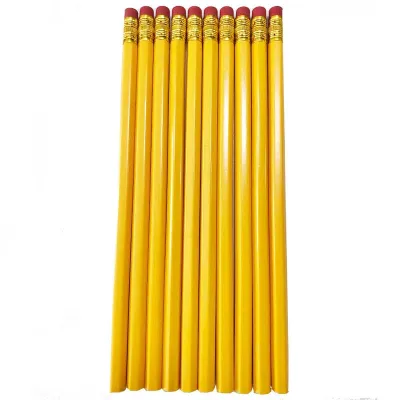
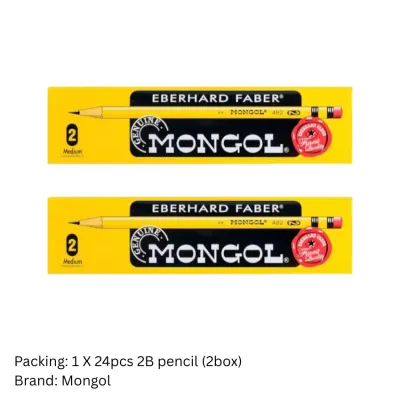
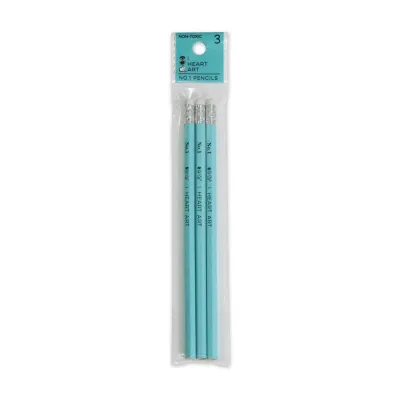
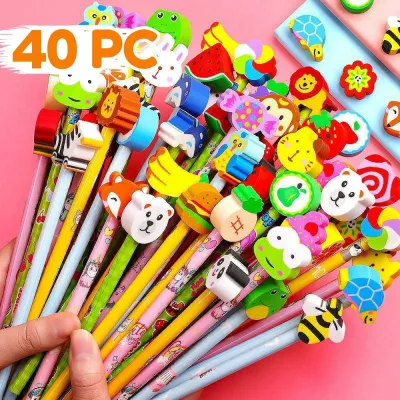

Prices are valid at publication and may change. Please refer to the product page for the latest price.
In contrast, mechanical pencil bodies come in materials like lightweight plastics, brushed aluminum, or heavy brass, allowing you to choose a weight distribution that matches your writing style. Many mechanical pencil sets feature specialized grip sections made of textured rubber, soft silicone, or knurled metal. These ergonomic additions provide excellent slip resistance, which is particularly beneficial in warm, humid environments where sweat can cause a bare wooden barrel to slide.
Ultimately, ergonomic comfort is highly subjective. While some writers find the thick, cushioned grip of a mechanical pencil indispensable for reducing joint strain, others prefer the slim, minimalist profile of a traditional wooden pencil. Before purchasing a new pinsil set, check the product specifications for the exact barrel diameter, weight, and balance point to ensure it aligns with your physical preferences.
Line Consistency, Sharpening, and Lead Customization
The visual output of your writing is heavily influenced by how the pencil tip interacts with paper. A wooden pencil produces a dynamic line that naturally changes in width and darkness as you write. As the sharp graphite point wears down, the line gradually thickens, requiring you to rotate the pencil or sharpen the tip to maintain legibility. This variable line quality is highly prized by artists for shading, but it can make dense, small-scale handwriting look messy over time.

Mechanical pencils solve this issue by utilizing thin lead refills that maintain a perfectly uniform line width. Available in precise diameters like 0.5mm and 0.7mm, these pencils eliminate the need for manual sharpening. If you write in small print or work on complex mathematical equations, a 0.5mm mechanical pinsil set ensures your characters remain crisp. For those with a heavier hand, a 0.7mm lead offers greater structural strength, reducing lead breakages during fast-paced writing.
When selecting your pinsil set, consider the graphite hardness grades, which range from hard H grades to soft B grades. Wooden pencil sets often come in standard HB or 2B grades, which are ideal for general writing. Mechanical pencil refills offer similar grade variety, but their performance can vary depending on paper quality. In humid conditions, softer leads like 2B can smudge more easily on damp paper fibers, making it crucial to verify smudge resistance and erasability through a quick manual test.
Daily Convenience, Maintenance, and Portability
The practical upkeep of your writing tools plays a significant role in your daily workflow. Wooden pencils require a reliable sharpener to keep their tips functional. Sharpening generates wood shavings and graphite dust that must be disposed of, and a dull sharpener blade can splinter the wood. However, wooden pencils are incredibly resilient; they have no moving parts, meaning they cannot jam, clog, or fail mechanically when dropped.
Mechanical pencils offer the convenience of a click-advance mechanism that instantly extends new lead with a simple push of a button, keeping your workspace free of shavings. However, mechanical pencils are complex tools with internal clutch mechanisms that can occasionally jam. If a tiny fragment of broken lead becomes lodged inside the tip, the pencil will stop feeding lead. Clearing these jams usually requires using a thin clearing pin—often attached to the eraser—or carefully dismantling the tip.
Portability is another key factor. A wooden pinsil set is highly portable but requires you to carry a sharpener and a separate eraser if the built-in end caps wear down. Additionally, carrying exposed, sharp wooden pencils in a bag can lead to graphite stains or accidental pocket punctures. Mechanical pencil sets often feature retractable sleeves that slide back into the tip when not in use, protecting both the delicate lead pipe and your pockets. Many mechanical sets also come in dedicated cases that neatly house the pencil, spare lead, and replacement erasers.
Cost, Refills, and Long-Term Value
Evaluating the financial aspect of your stationery choice involves looking at both the initial purchase price and the ongoing maintenance costs. A standard wooden pinsil set is highly economical upfront, often sold in budget-friendly packs for a low price of just a few pesos per pencil. This makes them an excellent, low-risk choice for classrooms or shared office spaces where writing tools are frequently misplaced. However, because a wooden pencil is consumed entirely as you sharpen it down to a stub, you must continuously buy complete replacements.
A mechanical pinsil set represents a higher initial investment, as the precision-engineered barrel, metal clutch, and ergonomic grip cost more to manufacture. Despite this higher starting price, a quality mechanical pencil can last for years if properly cared for. Your recurring expenses are limited to purchasing inexpensive lead refills and replacement eraser cartridges. Over months of heavy use, the cost of refilling a single mechanical pencil can become more economical than repeatedly buying boxes of wooden pencils.
To maximize your long-term value, check local stationery suppliers or online marketplaces for bulk pricing on lead refills and eraser replacements. Ensure that the specific brand and model of mechanical pencil you choose uses standard lead sizes that are widely available in your area. Opting for a model with hard-to-find proprietary refills can lead to high shipping fees or render your pencil unusable if the manufacturer discontinues the matching parts.
How to Choose the Right Pencil Set for Your Needs
Selecting the perfect pinsil set depends on aligning the tool’s strengths with your specific daily tasks, environment, and physical comfort. By analyzing how and where you write, you can make an informed decision that enhances your overall writing experience.
Choose a wooden pinsil set if:
- You enjoy the classic, organic feel of natural wood and the pleasant aroma of cedar shavings.
- Your work involves sketching, shading, or artistic drawing where variable line widths and expressive angles are necessary.
- You want a highly durable, low-maintenance writing tool that has no internal mechanisms to jam or break when dropped.
- You are buying supplies on a strict budget or need to equip a large group of users with reliable, low-cost writing instruments.
Choose a mechanical pinsil set if:
- You require consistent, ultra-thin line widths for technical drafting, accounting, or keeping neat, compact journals.
- You prefer a clean, modern workspace and want to avoid the hassle of carrying a sharpener and disposing of wood shavings.
- You want a long-lasting, reusable barrel with specialized ergonomic grips to prevent hand fatigue during extended writing sessions.
- You appreciate the convenience of integrated, retractable tips that protect your pockets and pencil cases from graphite marks.
Before making your final purchase, always verify your specific ergonomic needs and check if the lead grades you prefer are readily available in your local shops. If you are buying writing tools for young children, keep in mind that they may struggle with the delicate pressure required to write with thin mechanical leads without snapping them, making a sturdy wooden pencil the safer and more practical starting point.
Frequently Asked Questions (FAQ)
Can I use mechanical pencil lead in a wooden pencil?
No, you cannot use mechanical pencil lead refills in a wooden pencil casing. Mechanical pencil leads are extremely thin, fragile, and designed specifically to be held and advanced by the internal clutch of a mechanical pencil. Wooden pencils feature a solid, thick graphite core permanently bonded to the surrounding wood during manufacturing. Attempting to insert a loose, thin mechanical lead into a hollowed-out wooden barrel will result in the lead instantly snapping under writing pressure, as it lacks the structural support and advancement mechanism required to function.
Which pencil type is better for standardized tests?
Both wooden and mechanical pencils can be used successfully for standardized tests, provided they use the correct graphite grade required by the optical mark recognition (OMR) scanners. Most exams in the Philippines specify using an HB or No. 2 pencil to ensure the scanner can read the filled-in bubbles accurately. While a wooden pencil is the traditional choice and is universally accepted by exam proctors, many modern mechanical pencils with 0.5mm or 0.7mm HB lead are also perfectly suitable. However, you should always check the specific guidelines of your exam board beforehand, as some testing centers strictly prohibit mechanical pencils.
Do mechanical pencil sets include replaceable erasers?
Yes, many mechanical pencil sets include built-in erasers, but their size and replaceability vary significantly by model. Most standard mechanical pencils feature a small eraser cap hidden underneath the push-button mechanism, which is useful for quick corrections but wears down rapidly with heavy use. Premium mechanical pencil sets often include larger, twist-up or retractable erasers, along with a pack of dedicated replacement eraser cartridges. Before purchasing a set, check the product packaging to confirm if replacement erasers are included or if they can be easily sourced from local stationery retailers.

Community discussion
Share your experience or ask a question. Comments are reviewed before publication.