
Choosing the right yellow pad paper in the Philippines requires balancing paper weight, binding durability, and cost per sheet. While budget-friendly options serve well for quick drafts and temporary calculations, premium pads offer the ink resistance and structural integrity needed for professional, academic, and legal use. Because tropical humidity can affect how paper stores and absorbs ink, understanding the physical characteristics of different paper grades helps prevent common issues like feathering, bleed-through, and premature tearing.
Evaluating yellow pad paper involves looking closely at manufacturing specifications and construction details. By focusing on observable quality indicators, you can select a pad that matches your writing instruments and daily workflow without overspending. Whether you are a student preparing for exams, a lawyer drafting briefs, or an office worker organizing daily tasks, a systematic approach to comparing paper options ensures your notes remain legible and intact.
Key Factors for Evaluating Yellow Pad Paper Quality
Paper weight, typically measured in grams per square meter (GSM), is the primary indicator of how well a yellow pad will handle different writing instruments. Standard yellow pads often range from 50 GSM to 55 GSM, which is relatively thin and lightweight. This weight is highly economical but prone to ink bleed-through, especially when using gel pens, rollerballs, or liquid ink highlighters. Premium pads generally feature paper weights of 70 GSM to 80 GSM, providing a denser barrier that keeps ink from soaking through to the reverse side of the sheet.
Products mentioned in this guide
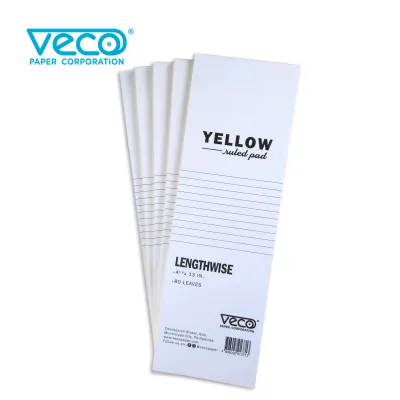
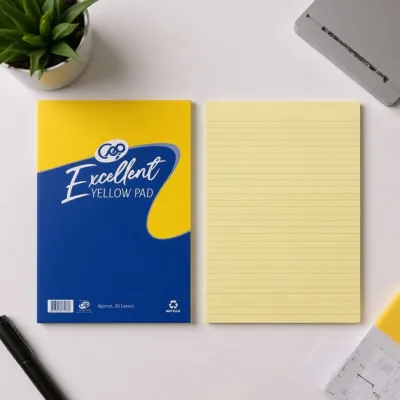
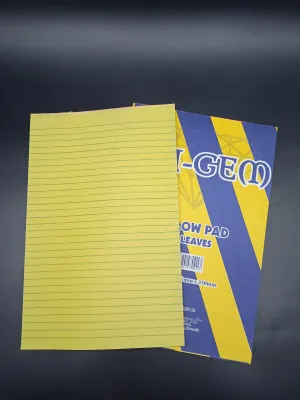
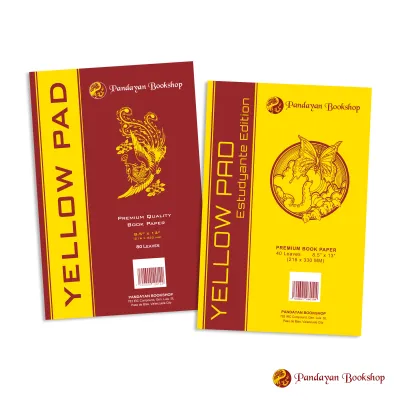
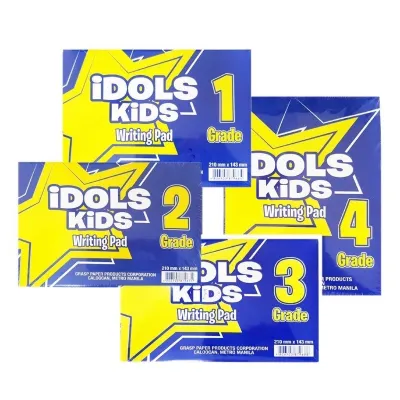
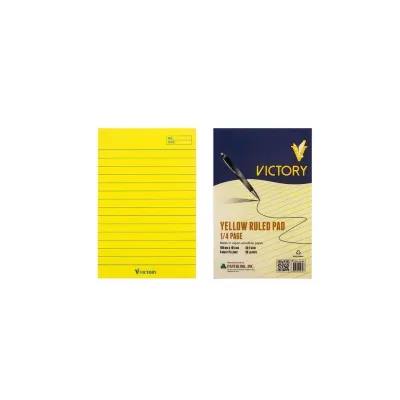
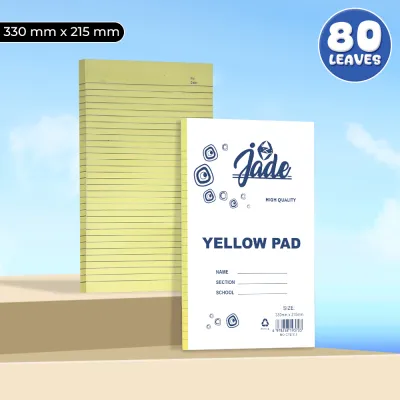
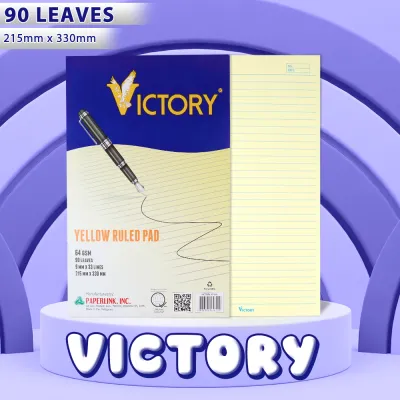
Prices are valid at publication and may change. Please refer to the product page for the latest price.
Surface texture and opacity also play critical roles in the overall writing experience. High-quality paper has a smooth, consistent finish that allows pen tips to glide effortlessly without skipping or catching on loose fibers. In contrast, lower-grade paper may have a rough, highly porous texture that causes ink to feather, meaning the ink spreads sideways along the paper fibers and creates fuzzy, illegible lines. Opacity is equally important; higher opacity prevents “ghosting,” which is the shadow of writing on the previous page showing through to the next, allowing you to utilize both sides of the sheet comfortably.
Binding durability determines whether your yellow pad will survive daily transport in a backpack or briefcase. Glued-top pads rely entirely on an adhesive strip to hold the pages together, which allows for easy, clean removal of individual sheets. However, low-quality adhesives can dry out and crack in warm, humid climates, causing pages to detach prematurely and scatter. Stitched or taped bindings offer superior structural integrity, keeping the pages securely bound even with frequent handling, though they require high-quality perforations to ensure pages can still be removed cleanly when needed.
Ruling consistency, margin alignment, and perforation quality are the final details that separate professional-grade pads from basic utility options. The horizontal lines should be evenly spaced and printed in a subtle, non-intrusive ink that does not overpower your handwriting. The vertical red margin line on the left side must be perfectly straight and aligned across all pages. Furthermore, micro-perforations at the top of the pad should be deep and clean, allowing you to tear off a sheet with a gentle pull rather than leaving a ragged, torn edge that looks unprofessional and clogs binder rings.
Additionally, the stiffness of the backing board is a crucial structural element that is often overlooked. A thick, rigid cardboard backing provides a stable writing surface when you are away from a desk, such as during lectures, site inspections, or court proceedings. If the backing board is too thin or flexible, the pad will bend under the pressure of your hand, leading to hand fatigue and messy handwriting. Inspecting the thickness and rigidity of the cardboard backing before purchasing is a quick way to gauge the overall build quality of the pad.
Understanding Price Structures and True Value
To find the most economical yellow pad, you must look beyond the retail price on the cover and calculate the actual cost per page. A pad priced at ₱40 containing 80 sheets may seem cheaper than a pad priced at ₱50 containing 100 sheets, but both actually cost exactly ₱0.50 per page. By dividing the total price of the pad by the number of sheets, you can make direct, accurate comparisons across different brands and packaging sizes, ensuring you do not pay a premium for clever marketing or deceptive packaging.

Bulk purchasing and multipack options offer significant savings for high-volume users. Local bookstores and office supply wholesalers frequently sell yellow pads in packs of three, five, or ten, as well as in full boxes of 50 pads. Purchasing in bulk typically reduces the unit cost per pad by a substantial margin compared to buying single pads. When ordering bulk packs from online marketplaces, however, it is essential to factor in shipping fees and potential transit damage, as heavy paper shipments can incur high delivery costs that negate the initial product discounts.
Low-quality paper also carries hidden costs that can quickly erase any upfront savings. If a cheap pad suffers from severe ink bleed-through, you may only be able to write on one side of each sheet, effectively doubling your cost per usable page. Furthermore, weak bindings that allow pages to fall out can lead to lost notes, wasted study time, or the need to rewrite important documents. Investing slightly more in a pad with adequate paper weight and secure binding often proves more cost-effective over time by maximizing the usability of every single sheet.
Comparing Common Brand Categories in the Market
Standard everyday brands dominate the shelves of local supermarkets, neighborhood convenience stores, and school supply shops. These pads are designed primarily for high-volume, low-cost utility, making them highly popular among students and casual note-takers. They typically feature paper weights between 50 GSM and 55 GSM, simple glued bindings, and thin cardboard backings. While they are highly affordable and perfectly adequate for quick pencil drafts or standard ballpoint pen notes, they are generally not suited for heavy ink applications or long-term archival storage.
Premium and office-grade brands cater to professionals, legal practitioners, and stationery enthusiasts who require a more polished presentation and superior paper performance. These pads utilize thicker paper, usually 70 GSM to 80 GSM, which is specifically formulated to resist feathering and bleed-through. They feature robust stitched or taped bindings, clean micro-perforations, and heavy-duty backing boards that facilitate writing on the go. While these pads carry a higher price tag, their durability and compatibility with a wide range of writing instruments justify the cost for professional environments.
Because manufacturing standards and paper sourcing can change over time, it is wise to verify current market offerings rather than relying solely on brand reputation. When shopping, check the product packaging or online specifications for explicit mentions of paper weight (GSM) and sheet count. Reading recent user reviews on online marketplaces can provide valuable real-world feedback on whether a specific batch of pads suffers from binding issues or inconsistent ruling. If you are purchasing in person at a local bookstore, take a moment to feel the paper thickness and test the rigidity of the backing board.
How to Choose the Right Yellow Pad for Your Specific Needs
Matching your yellow pad selection to your primary writing instrument is the most effective way to ensure a frustrating-free writing experience. If you write almost exclusively with standard ballpoint pens or pencils, a standard everyday pad is highly suitable. Ballpoint ink is oil-based and viscous, meaning it sits on top of the paper rather than soaking in, which prevents bleed-through even on very thin 50 GSM sheets. This combination allows you to take extensive notes economically without worrying about damaging the pages underneath.
If you prefer writing with gel pens, rollerballs, fine-liners, or fountain pens, you should opt for a premium pad with a paper weight of at least 70 GSM. These pens utilize water-based or liquid inks that flow quickly and saturate the paper fibers. Thicker, high-density paper is required to absorb this moisture without allowing the ink to spread outward or seep through to the next page. Using liquid ink on thin, low-grade paper will inevitably result in messy, illegible notes and wasted sheets.
Before committing to a large bulk purchase for your school year or office supply cabinet, it is highly recommended to buy a single pad as a trial. Conduct a simple ink test on the back page using your favorite pens to observe how the paper handles bleed-through, feathering, and drying speed. Additionally, check the return and replacement policies of your chosen retailer, especially when ordering online, to protect yourself against manufacturing defects such as misaligned lines, missing pages, or damaged bindings incurred during shipping.
Frequently Asked Questions (FAQ)
Can I use fountain pens on standard yellow pad paper?
Standard yellow pads are generally not compatible with fountain pens because the thin, porous paper typically used in budget pads causes liquid fountain pen ink to feather and bleed through heavily. This results in distorted handwriting and makes the reverse side of the page completely unusable. If you wish to use a fountain pen, look for premium yellow pads that explicitly specify a paper weight of 70 GSM or higher, or perform a small spot test with your specific pen and ink combination on a single pad before purchasing in bulk.
What Are the Standard Sizes for Yellow Pads in the Philippines?
In the Philippines, the most common sizes for yellow pads are legal size, which measures approximately 8.5 by 13 inches, and letter size, which measures approximately 8.5 by 11 inches. Some brands also offer smaller variations, such as A4 size or junior/pocket-sized pads for quick note-taking on the go. Always check the exact dimensions printed on the product packaging to ensure the pads will fit your specific clipboards, folders, and storage bags, as minor size variations can occur between different manufacturers.
Is It Cheaper to Buy Yellow Pads Online or in Physical Bookstores?
Buying yellow pads from online marketplaces often provides access to lower unit prices, bulk discounts, and wholesale packages, making it highly economical for stocking up an office or preparing for a school semester. However, physical local bookstores allow you to inspect the paper thickness, binding quality, and backing board stiffness firsthand before spending any money. Physical stores also eliminate shipping fees and delivery wait times, making them more cost-effective and convenient for immediate, single-pad purchases.

Community discussion
Share your experience or ask a question. Comments are reviewed before publication.