
Comparing yellow pad paper sets requires evaluating paper weight (GSM) for ink compatibility, sheet count for portability versus cost, and binding types for usability. Since specific brand performance varies and exact pricing fluctuates across retailers, this guide provides a verification framework to help you calculate the true cost per sheet in ₱ and select the best overall value based on your specific writing tools and daily workflows.
In the Philippines, the yellow pad is an indispensable tool for students, legal professionals, and office workers alike. Whether you are drafting a legal brief, solving complex engineering equations, or taking rapid-fire lecture notes, the reliability of your paper directly impacts your productivity. However, not all yellow pads are created equal. Variations in paper thickness, surface texture, and binding strength can mean the difference between a smooth writing experience and a frustrating session of ink blots and torn pages. By understanding how to evaluate these key specifications, you can make an informed decision that balances performance and budget.
Key Paper Quality Specifications to Verify
Paper quality is primarily determined by its weight, which is measured in grams per square meter (GSM). When browsing yellow pad paper sets, look closely at the packaging or product specifications for this number. Most standard yellow pads range from 50 GSM to 80 GSM. Thinner paper, typically around 50 to 55 GSM, is highly economical but prone to ink feathering—where the ink spreads sideways along the paper fibers—and bleed-through, where the ink seeps entirely through to the opposite side of the sheet. If you regularly write with gel pens, rollerballs, or fountain pens, prioritizing a higher paper weight of 70 GSM or 80 GSM is essential to ensure a clean, legible page.
Products mentioned in this guide
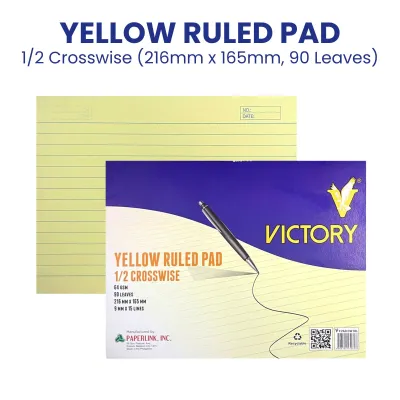
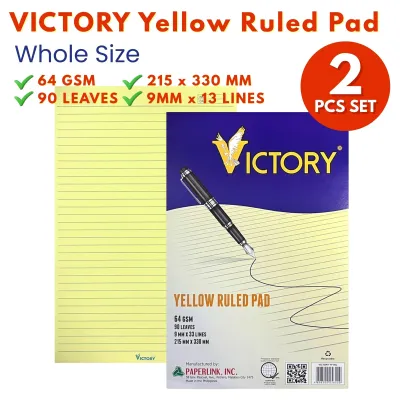
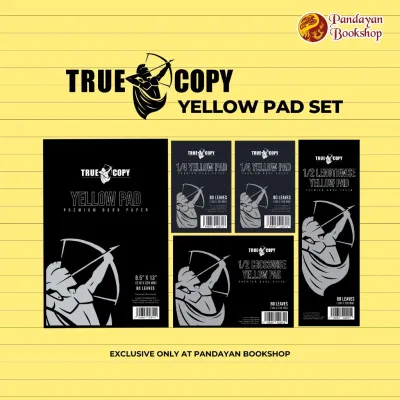
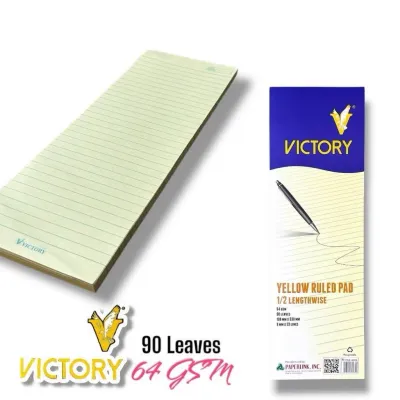
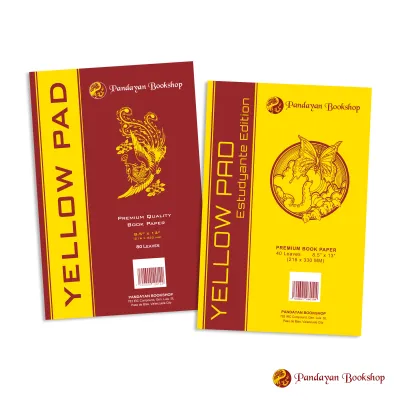
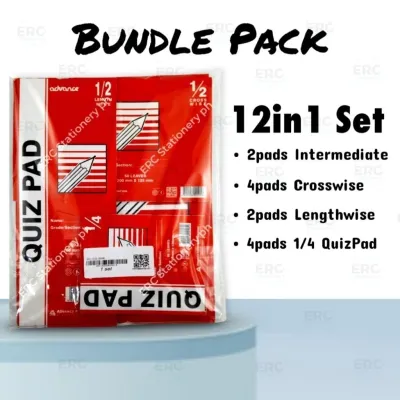
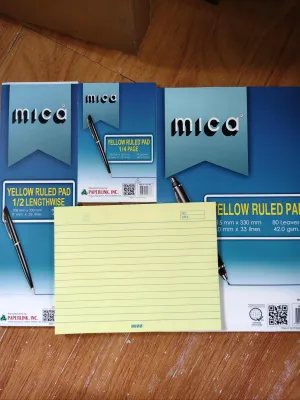
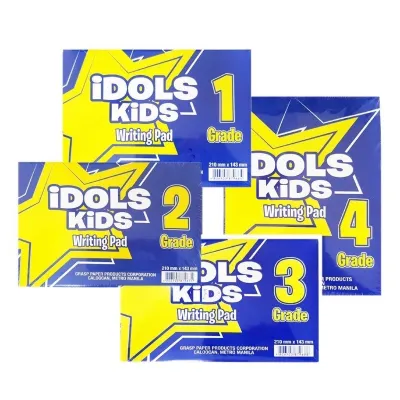
Prices are valid at publication and may change. Please refer to the product page for the latest price.
Beyond weight, the surface texture of the paper plays a critical role in how your writing instrument behaves. Smooth paper surfaces allow ballpoint and gel pens to glide effortlessly, reducing hand fatigue during long writing sessions. Conversely, paper with a slight texture, often referred to as having “tooth,” provides excellent feedback for pencils and traditional ballpoint pens, preventing the tip from slipping too quickly. Because smoothness and bleed resistance depend on the exact combination of your pen’s ink formula and the paper’s fibers, it is wise to perform a quick trial. Draw a few test lines in the corner of a single sheet to observe the drying speed and check if the ink spreads or shadows on the reverse side before committing to writing on the entire pad.
Finally, do not overlook the physical construction of the pad itself. A high-quality yellow pad should feature a thick, rigid cardboard backing board. This backing provides the necessary structural support to write comfortably while holding the pad on your lap or when working away from a desk. Additionally, inspect the top binding. Budget pads often use low-grade adhesive that dries out and cracks in warm, humid tropical climates, causing pages to fall out prematurely. Look for sets that utilize a reinforced header band and flexible, high-tack glue to ensure the sheets remain securely attached until you are ready to remove them.
Evaluating Sheet Count and Pad Dimensions
Yellow pad paper sets are available in several standard dimensions, and choosing the right size depends entirely on your primary workspace and writing habits. The most common sizes in the local market are legal size (typically 8.5 by 13 inches) and letter size (8.5 by 11 inches). Legal-sized pads offer a generous vertical canvas, making them the traditional choice for lawyers, accountants, and students who need to write long, uninterrupted lines of text or complex formulas. Letter-sized pads are slightly more compact and fit neatly alongside a laptop on smaller study desks or office cubicles.

When comparing sets, you will find pads configured in either 50-sheet or 100-sheet capacities. While a 100-sheet pad minimizes the frequency of replacing your pad, it introduces distinct trade-offs in terms of portability and durability. A thicker 100-sheet pad adds noticeable weight and bulk to your backpack or briefcase, and in high-humidity environments, the exposed edges of a thick pad can absorb moisture over time, causing the paper to warp or feel damp. A 50-sheet pad remains slim, lightweight, and easy to slip into a folder, making it highly suitable for mobile professionals and students who commute daily.
Additionally, pay close attention to the ruling format printed on the sheets. Standard yellow pads generally feature legal ruling or college ruling, which dictates the spacing between the horizontal lines. College ruling (approximately 7.1 mm spacing) allows you to fit more lines of text on a single page, which is ideal for dense note-taking and maximizing paper utility. Wide ruling (around 8.7 mm spacing) is better suited for larger handwriting, primary education, or quick brainstorming sessions where visual clarity and breathing room on the page are preferred.
Price vs. Value: Calculating the True Cost
To determine the true value of a yellow pad paper set, you must look beyond the initial retail price of the package. A simple and effective way to compare different sets is to calculate the exact cost per sheet in ₱. To do this, divide the total price of the multi-pack by the total number of sheets included. For example, if a set of five 80-sheet pads costs ₱160, the total sheet count is 400 sheets, resulting in a unit cost of ₱0.40 per sheet. Comparing this unit cost across different brands and packaging sizes reveals whether a bulk pack actually offers a genuine discount over individual pads.
While calculating the cost per sheet provides a clear financial baseline, you must also assess whether a price premium is justified by premium physical features. Features such as clean micro-perforations at the top of each sheet significantly enhance usability. Micro-perforations allow you to tear pages away cleanly without leaving a ragged, messy edge of paper scraps at the top of the pad. Furthermore, pads with pre-punched binder holes save you the time and effort of manually punching holes when archiving your notes into ring binders or folders.
Failing to account for paper quality can lead to hidden costs that quickly erase any initial savings from a cheap purchase. If a low-GSM paper is so thin that ink bleeds through to the back of the page, you are effectively forced to write on only one side of each sheet. This instantly doubles your actual cost per usable page. Additionally, poor-quality binding glue that allows pages to detach and get lost, or weak paper that tears easily under the pressure of a ballpoint pen, results in wasted paper and lost information, making a slightly more expensive, higher-quality pad the more economical choice in the long run.
Decision Framework: Choosing the Right Set for Your Needs
To select the ideal yellow pad paper set for your daily routine, match the paper specifications to your primary writing tools and organizational workflow:
- For Gel Pens, Rollerballs, and Fountain Pens: Prioritize paper weight and surface finish. Choose a yellow pad set with a minimum of 70 GSM or 80 GSM and a smooth, coated texture. This specification prevents liquid inks from feathering and bleeding through, allowing you to utilize both sides of every sheet comfortably.
- For Ballpoint Pens and Pencils: Opt for high-volume economy packs. If you primarily use dry ballpoint inks or graphite pencils for rapid drafting, mathematical calculations, or temporary brainstorming, a standard 50 GSM to 60 GSM pad will serve you perfectly while keeping your cost per sheet as low as possible.
- For Archiving and Filing: Select micro-perforated and pre-punched variants. If your notes must be filed away in binders, submitted to instructors, or shared with colleagues, pads with clean-tear micro-perforations and pre-drilled holes ensure your documents remain neat, professional, and easy to organize.
Before purchasing bulk sets from any online marketplace or local office supply store, always verify the product description details carefully. Check the labeled GSM, the exact sheet count per pad, the total number of pads in the set, and the physical dimensions to ensure the product matches your specific writing requirements.
Frequently Asked Questions (FAQ)
Does a higher sheet count always mean better value?
Not necessarily. While a 100-sheet pad or a large bulk set typically offers a lower unit cost per sheet in ₱, it may not be the most practical choice for every user. Thick 100-sheet pads are heavy and bulky to carry around daily, and in humid climates, the paper can absorb atmospheric moisture over time, which degrades the writing quality before you manage to use the entire pad. For students and mobile professionals, a set of multiple 50-sheet pads often provides a better balance of portability, convenience, and fresh, dry paper.
Are standard yellow pads suitable for fountain pens?
Most standard, budget-friendly yellow pads are optimized for ballpoint pens and pencils, meaning they use highly absorbent, lower-GSM paper. Because fountain pen inks are water-based, they will likely feather and bleed through these standard sheets. If you prefer writing with a fountain pen, look specifically for premium yellow pad sets that explicitly state a high GSM of 70 or 80 and feature a smooth, ink-resistant finish to prevent bleed-through.

Community discussion
Share your experience or ask a question. Comments are reviewed before publication.